
🏠 Trusted Local Roofers
Commercial Roofing Nottingham
A leaking warehouse roof rarely waits for a quiet week. It drips over stock, floods a shop floor, or forces a unit shut at the worst time. This page covers commercial roofing systems, real costs, and how work gets done without closing your business. As a roofing contractor working across the city, we build roofs that outlast the lease.
- Fully Insured
- 10-Year Guarantee
- 5-Star Rated
Quick Free Estimate - No Obligation
We're not just roofers – we're your neighbours.
Fully Insured • Response within 15 mins
🔒 Your details are safe with us. No spam, ever.
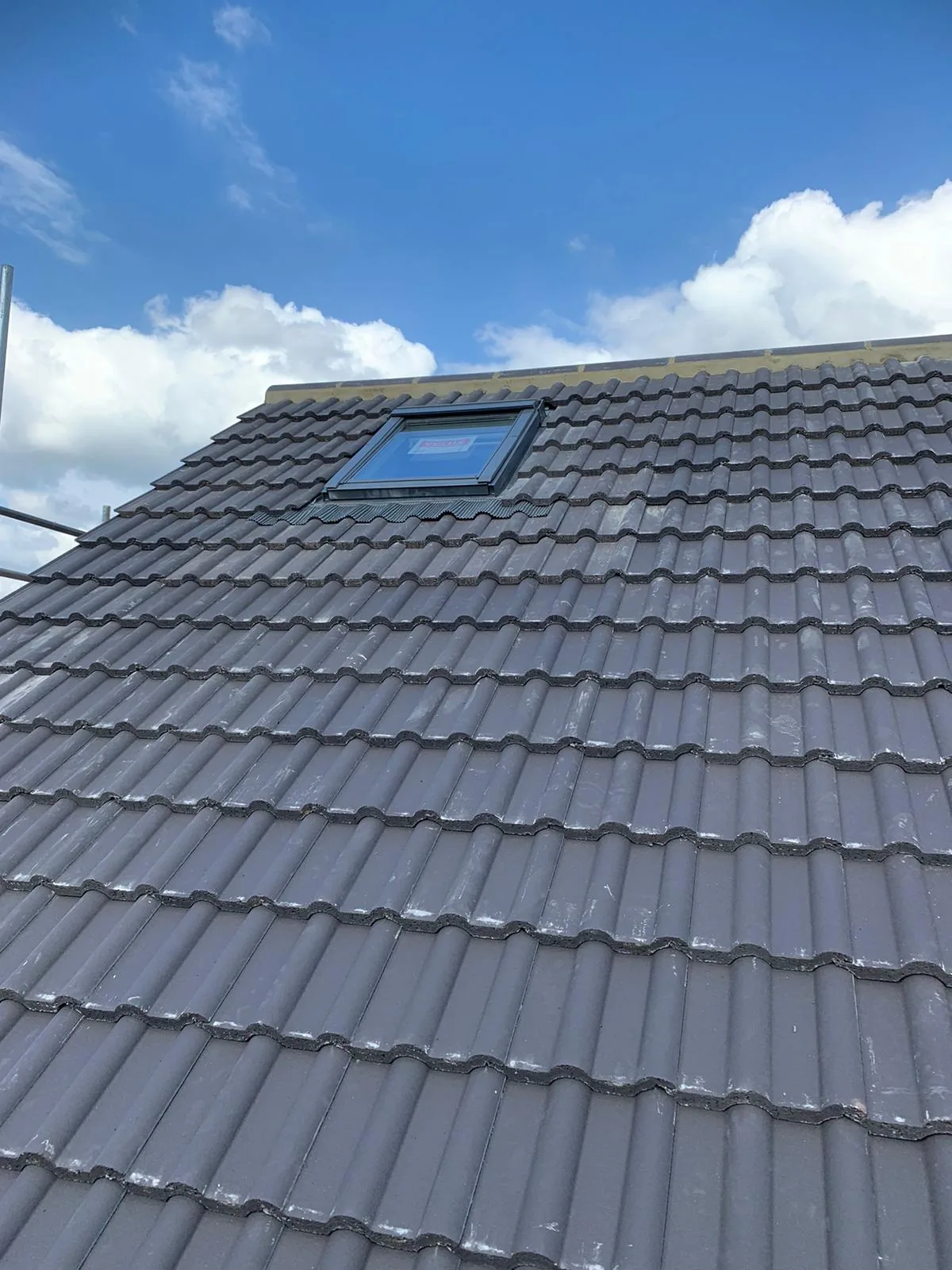
Which Commercial Roofing System Is Right for Your Nottingham Business?
For most Nottingham commercial and industrial buildings, single-ply membrane — a synthetic PVC or TPO sheet, welded at the seams rather than glued — gives the strongest mix of lifespan and value across large flat roof areas. EPDM rubber suits smaller units and extensions well, built-up felt fits tighter budgets on lower-risk buildings, and standing-seam metal suits pitched industrial roofs that need a long-term, low-maintenance covering. The right system depends on your building's size, use, and how long you plan to hold the property. A free drone survey settles it properly — see the comparison table further down this page.
An office, a retail unit, and a warehouse rarely need the same roof. Here's what tends to drive the decision:
- Roof size and span — large warehouse roofs favour single-ply or standing-seam, which cover wide areas with fewer joints
- How the building is used — food storage, retail, and offices bring different fire and insulation requirements
- How long you plan to keep the property — a longer hold justifies a higher-spec, longer-life system
- Existing structure — some decks and frames can't take a heavier system without reinforcement
- Whether you're planning solar panels, which changes the loading and layout the roof needs to allow for
Single Ply, Built-Up Felt, and Standing Seam: What Each System Suits
Lifespan and cost only tell half the story. Here's how each system behaves once it's fitted, and where it earns its keep.
Single-Ply Membrane (PVC/TPO)
- Factory-made sheets bonded or mechanically fixed to the deck, then heat-welded at the joints
- Welded seams give a genuinely continuous, watertight joint line rather than a glued lap
- Common on retail units, offices, and larger warehouse roofs
- Light-coloured membrane options cut solar gain, useful on south-facing units with high cooling costs
- Lighter than built-up systems, which helps where the existing structure has limited load capacity
Built-Up Felt (Multi-Layer)
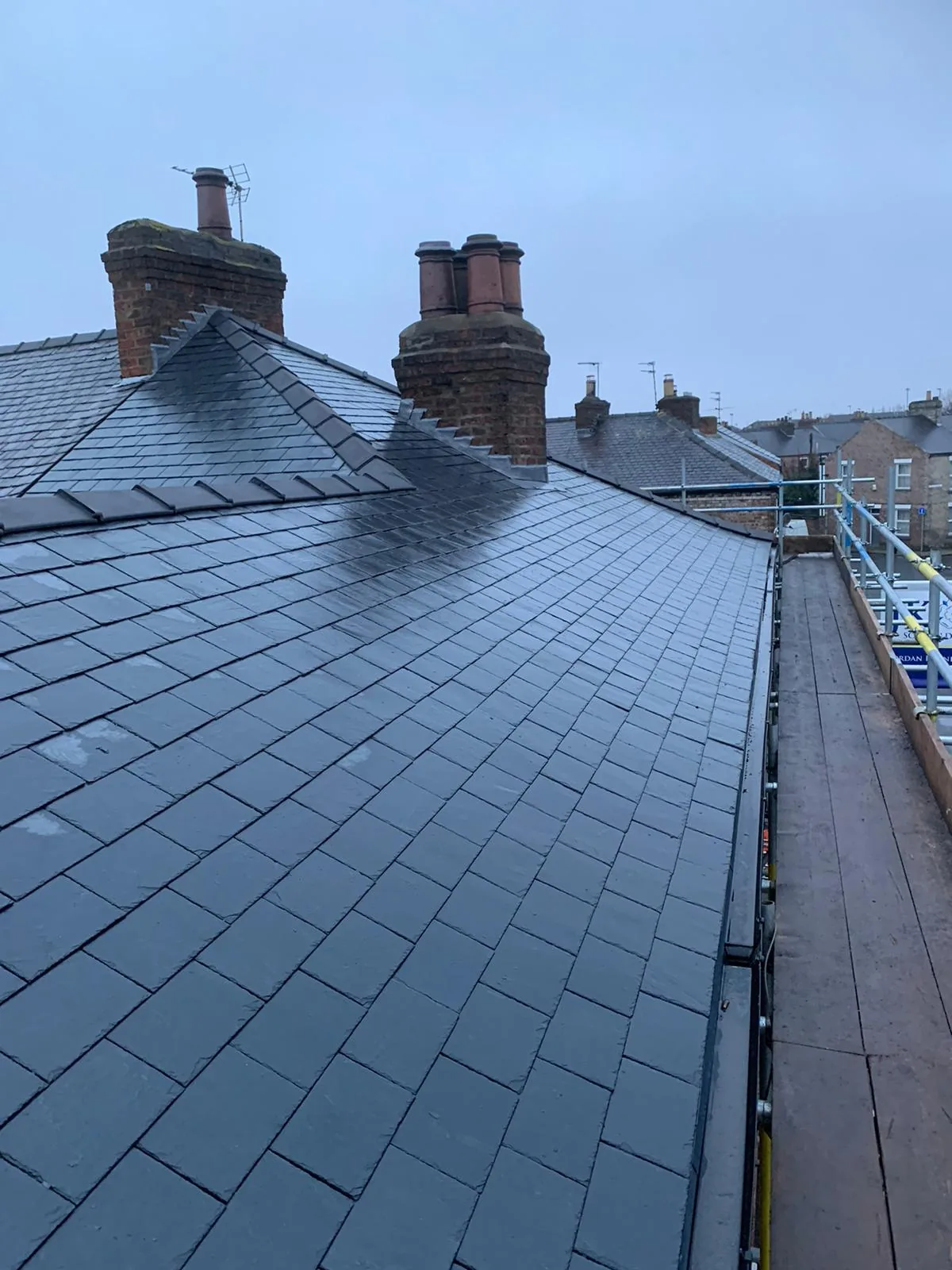
- Laid in two or three bonded layers, so one damaged layer doesn't mean an immediate leak
- The most forgiving system of an uneven or slightly imperfect existing deck
- Straightforward to patch-repair section by section without disturbing the whole roof
- Needs a competent torch-on or cold-adhesive crew — a rushed weld is where it fails first
- A sensible fit for lower-risk storage buildings and older industrial stock
Standing-Seam Metal
- Interlocking metal panels with raised seams that shed water fast, even on a low pitch
- Spans wide industrial sheds without extra intermediate support
- Comes pre-finished, so there's no on-site coating or recoating cycle to plan around
- Fitting demands accurate panel measurement — a small alignment error runs the length of the roof
- Often the system of choice on new-build industrial units — see our Industrial Roofing Installation page for full new-build projects
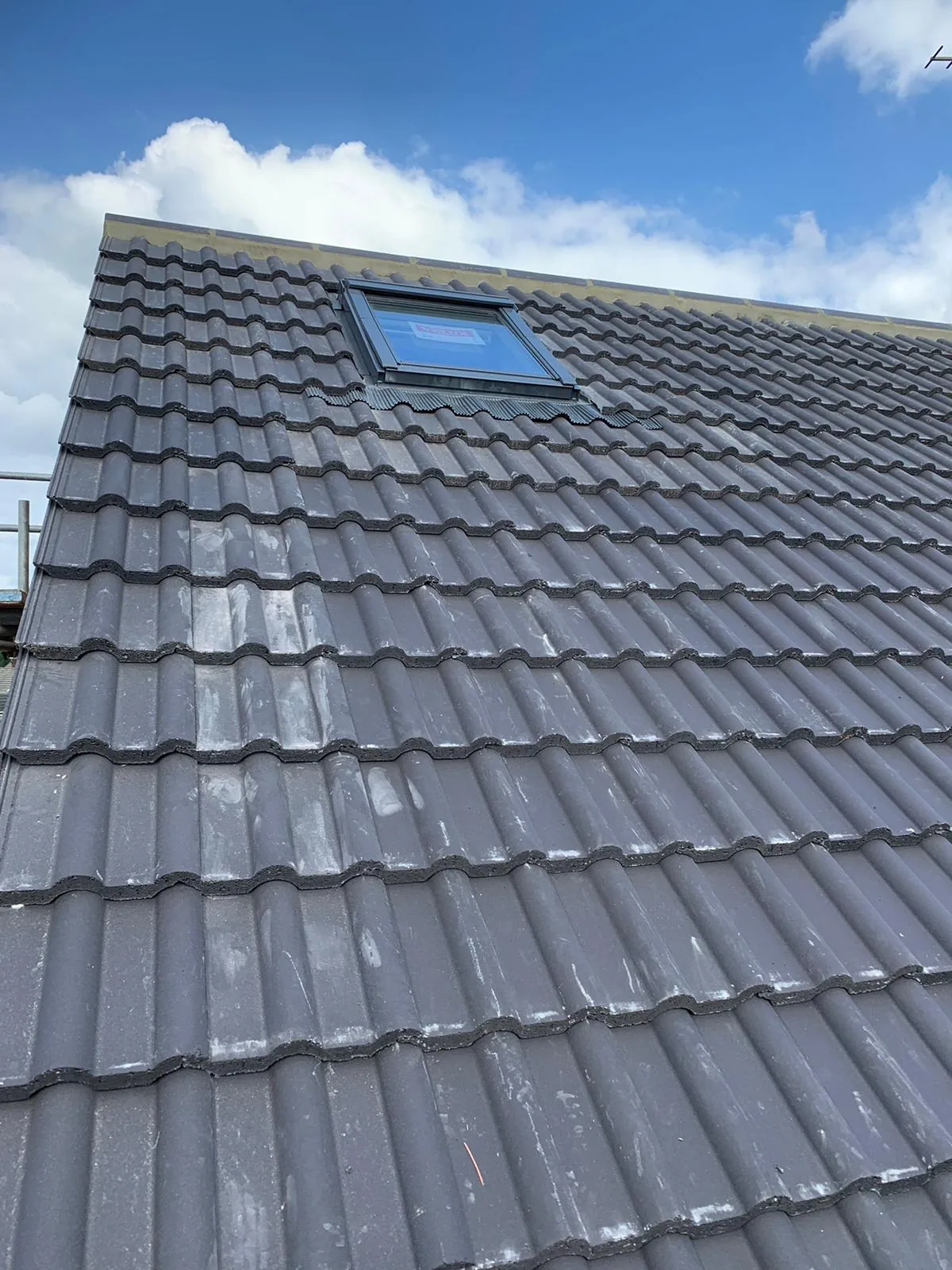
What Happens Before We Touch Your Commercial Roof
A commercial roof survey has to answer two questions at once: what's wrong with the roof, and how do we work around your business? We measure against the same criteria professional specifiers use to assess commercial roofing systems, not a guess from the car park.
- A free drone survey of the whole roof, flashings, rooflights, and plant upstands — no scaffolding just to take a look
- A photographic report so you, your insurer, or your landlord can see exact condition
- A deck and structural check before we specify a heavier system, such as standing-seam metal or added insulation
- Confirmation of the roof covering's fire performance classification, known as Broof(t4) — a rating against external fire spread that most commercial buildings need to meet
- BBA-certified materials only, so what goes on your roof performs the way it's been independently tested to
- A phased works plan built around your trading hours, deliveries, and site access
- A firm quote and agreed scope before a single sheet comes off the roof
How We Install and Repair Commercial Roofs Without Stopping Your Business
Most disruption on a commercial job comes from poor planning, not the roofing work itself. Here's how we keep a site trading through a re-roof or major repair.
- Split larger roofs into work zones, so only one section is open at any time
- Schedule the loudest work — tear-off and mechanical fixing — for the hours that suit your operation best
- Fit temporary weatherproofing at the end of every working day, so nothing is left exposed overnight
- Coordinate deliveries and material storage with your site, keeping forklifts, parking, and fire exits clear
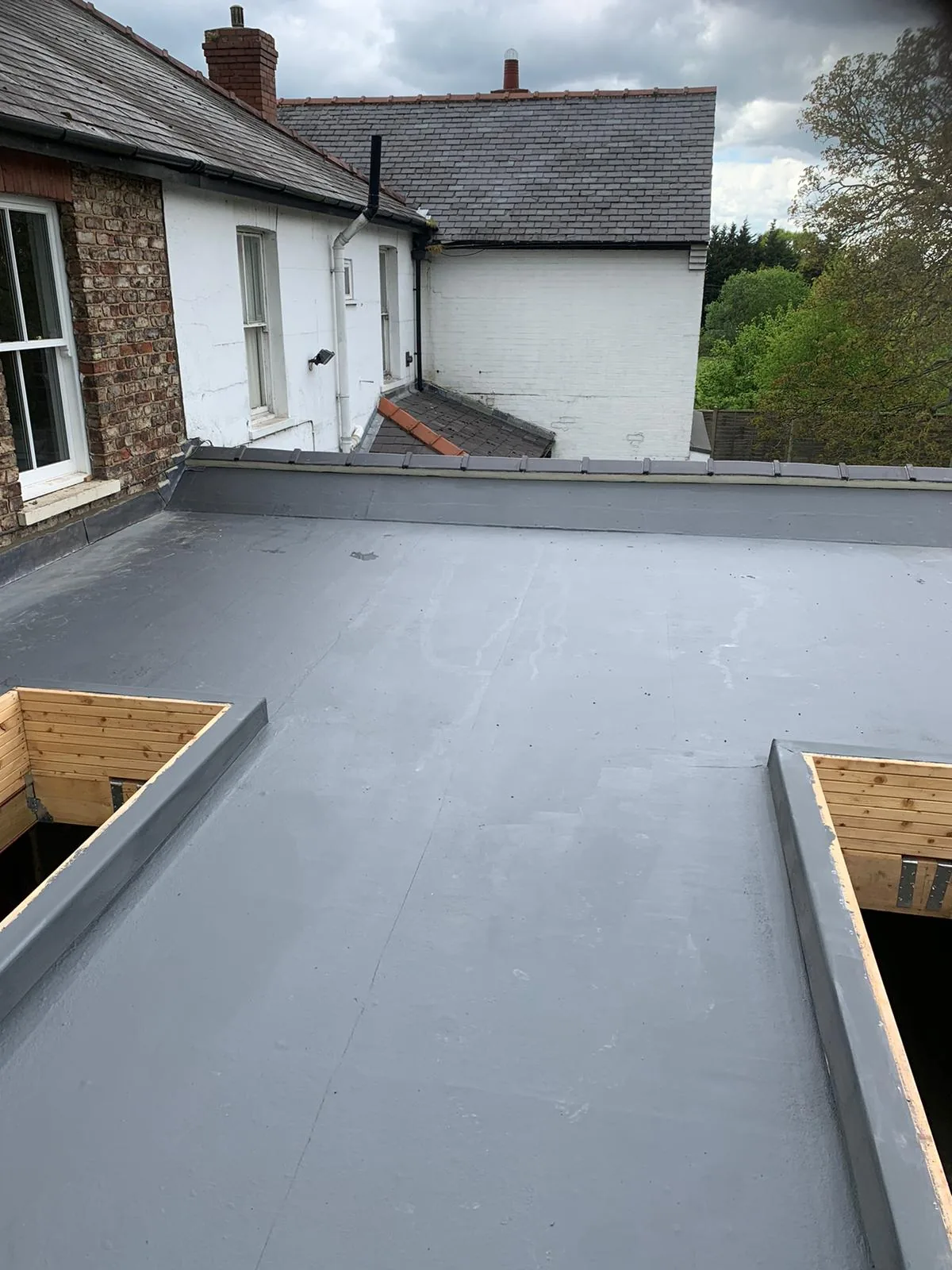
- Give particular attention to rooflights, plant upstands, and expansion joints — the usual points a rushed job fails first
- Clear and hand back each zone before starting the next, so most of the building stays open throughout
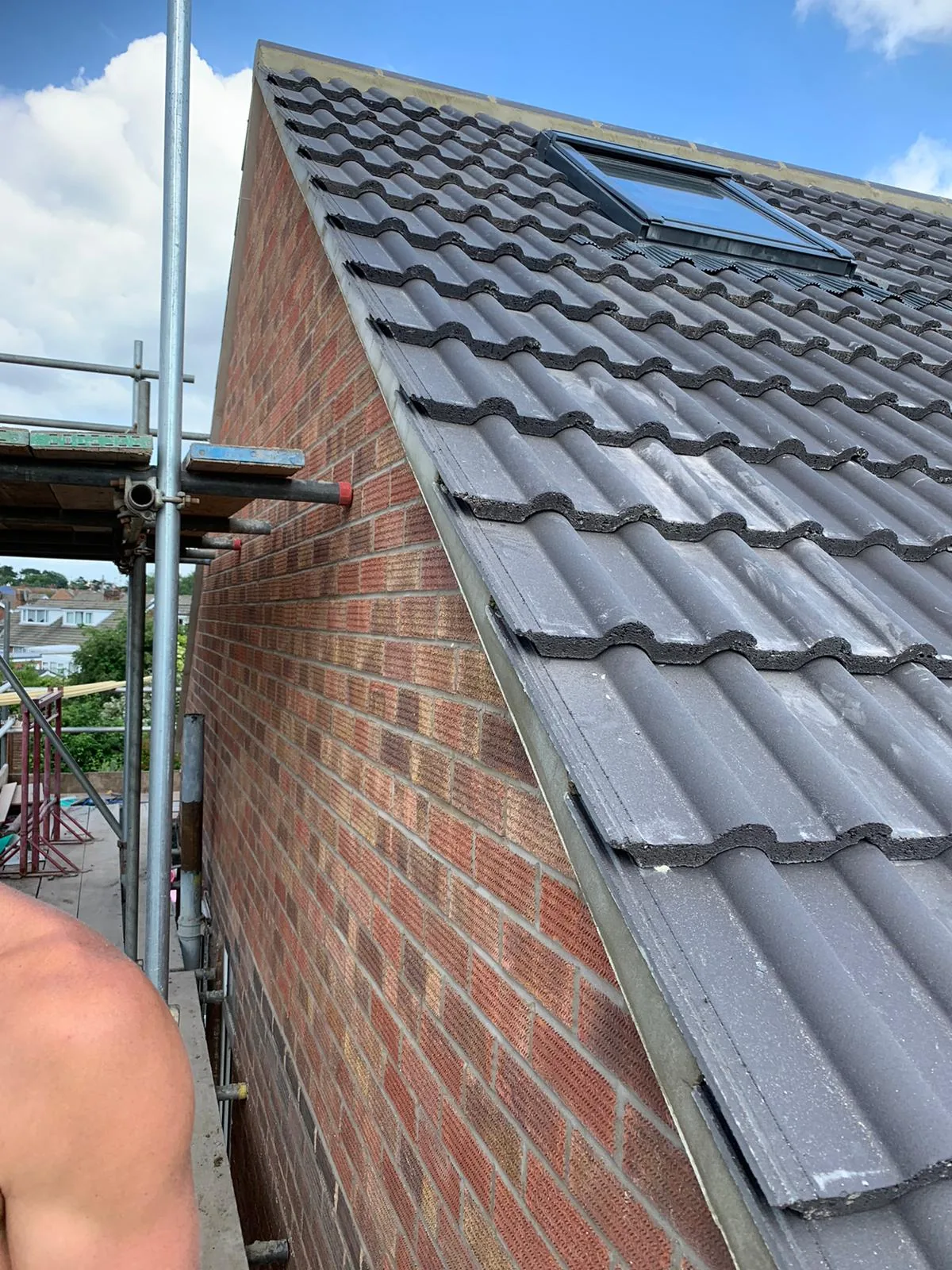
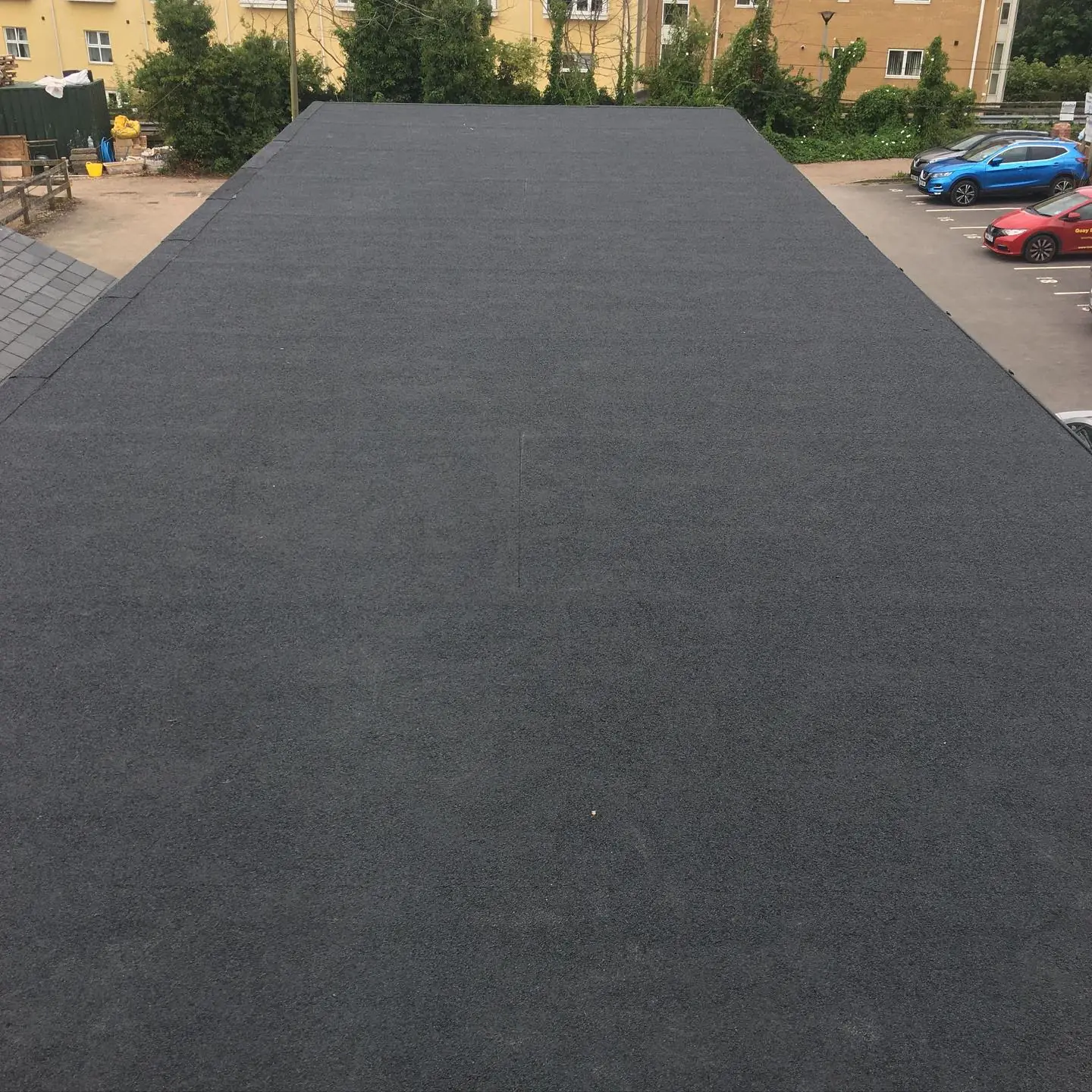
Spot the Warning Signs, Then Check the Work
Whether you're worried about an ageing roof or checking a job we've just finished, here's what to look for.
Signs Your Commercial Roof Needs Attention
- Ponding water still sitting more than 48 hours after rain
- Blistering, splitting, or lifting seams on felt or single-ply membrane
- Rust streaks, loose fixings, or panel movement on metal roofing
- Damp patches or drips over stock, machinery, or the shop floor
- Rising heating or cooling bills, often a sign wet or failed insulation
- Guttering overflowing onto loading bays, fire exits, or entrances
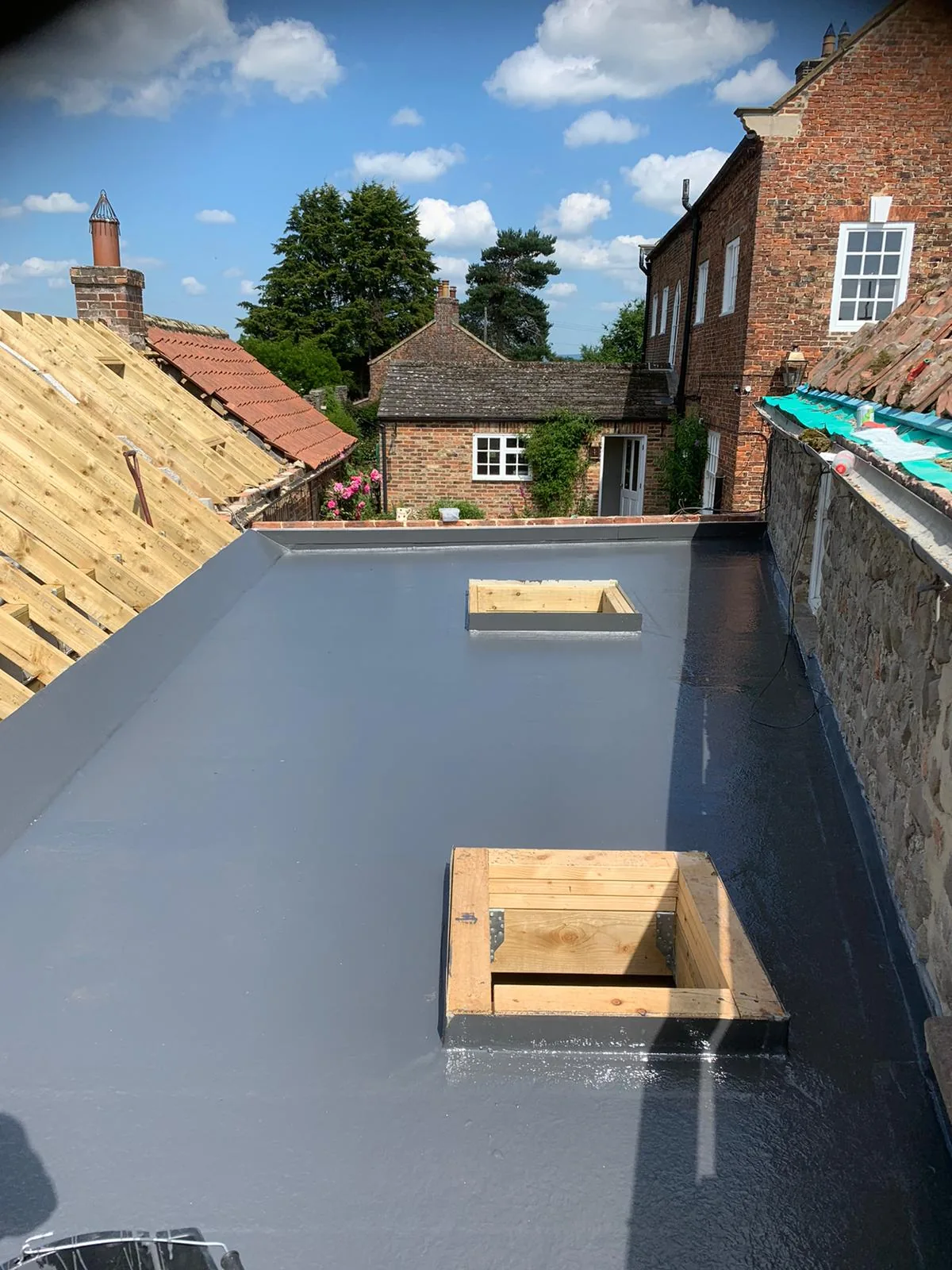
How to Check Commercial Roofing Work Was Done Properly
- Ask for before-and-after drone photos, not just a verbal sign-off at handover
- Seams should be fully welded or bonded, not taped or simply dressed over
- You should receive written confirmation of the material, thickness, and any Building Regulations notification
- Check that the guarantee covers materials and workmanship, in writing, not a vague verbal promise
- We back every commercial roof we fit with a 10-year workmanship guarantee, in writing, from day one
Stopping Leaks Before They Cost You Trading Days
A little planned maintenance keeps small defects from turning into a closed unit and a big bill.
- Twice-yearly inspections, spring and autumn, catch problems before they open up into leaks
- An extra check after any named storm or heavy snow load
- Outlets and gutters cleared at every visit, especially before autumn leaf-fall
- Small defects — a lifted seam, a cracked flashing — logged and fixed before they become a leak over stock
- A written condition report after each visit, useful for landlords managing multiple tenants or a change of occupier
- Planned maintenance typically costs a fraction of one emergency call-out and the trading time lost to it
If your unit changes hands or takes on a new tenant, ask whether the roofing guarantee transfers with it. Most workmanship guarantees, ours included, do — but it's worth getting that confirmed in writing before completion, not assumed.
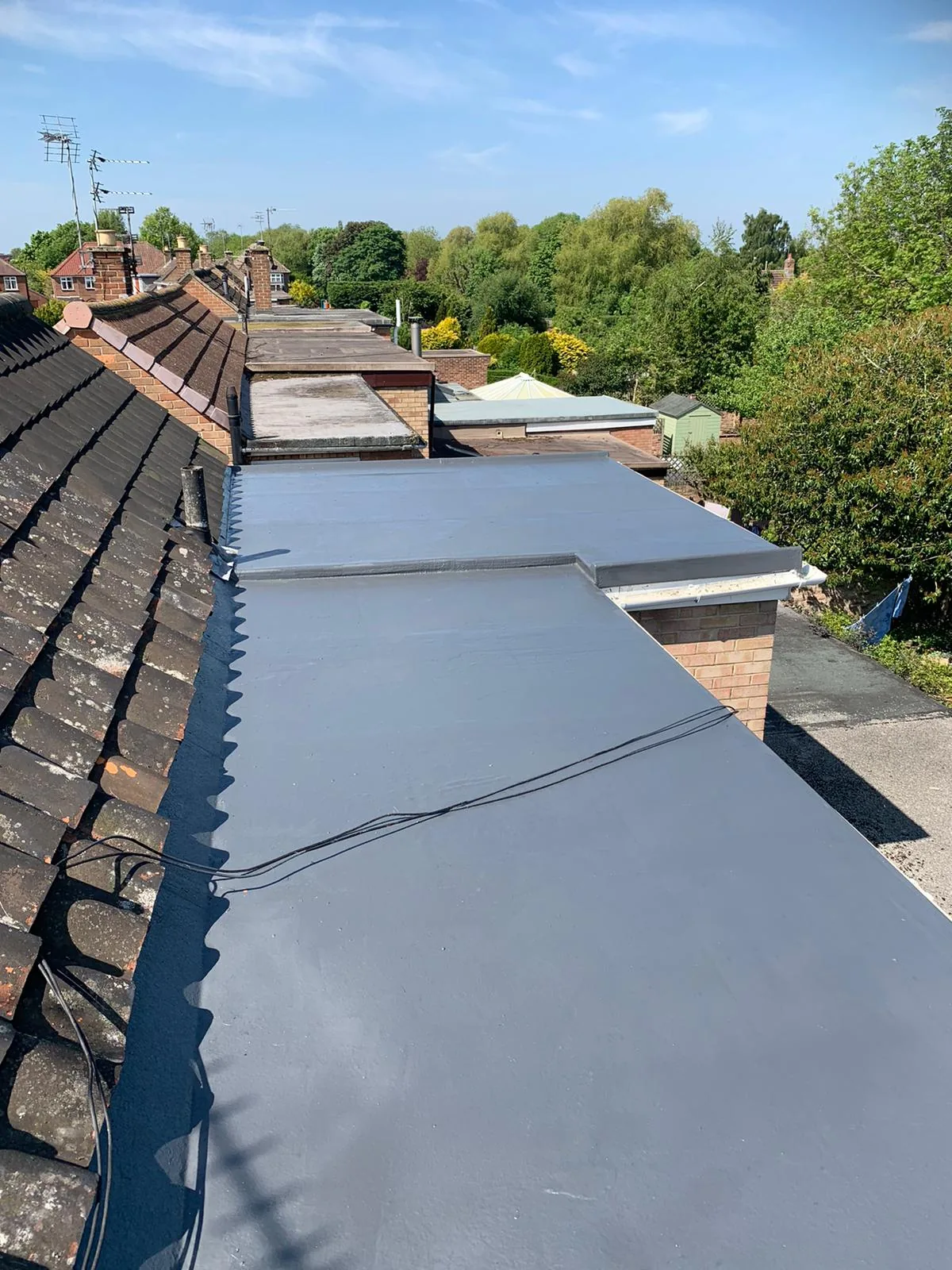
Cost & Pricing Guidance
Commercial roofing pricing across the UK for 2025/26 typically runs like this:
- Built-up felt: £40-£70 per m²
- Single-ply membrane (PVC/TPO): £45-£80 per m²
- EPDM rubber: £50-£90 per m²
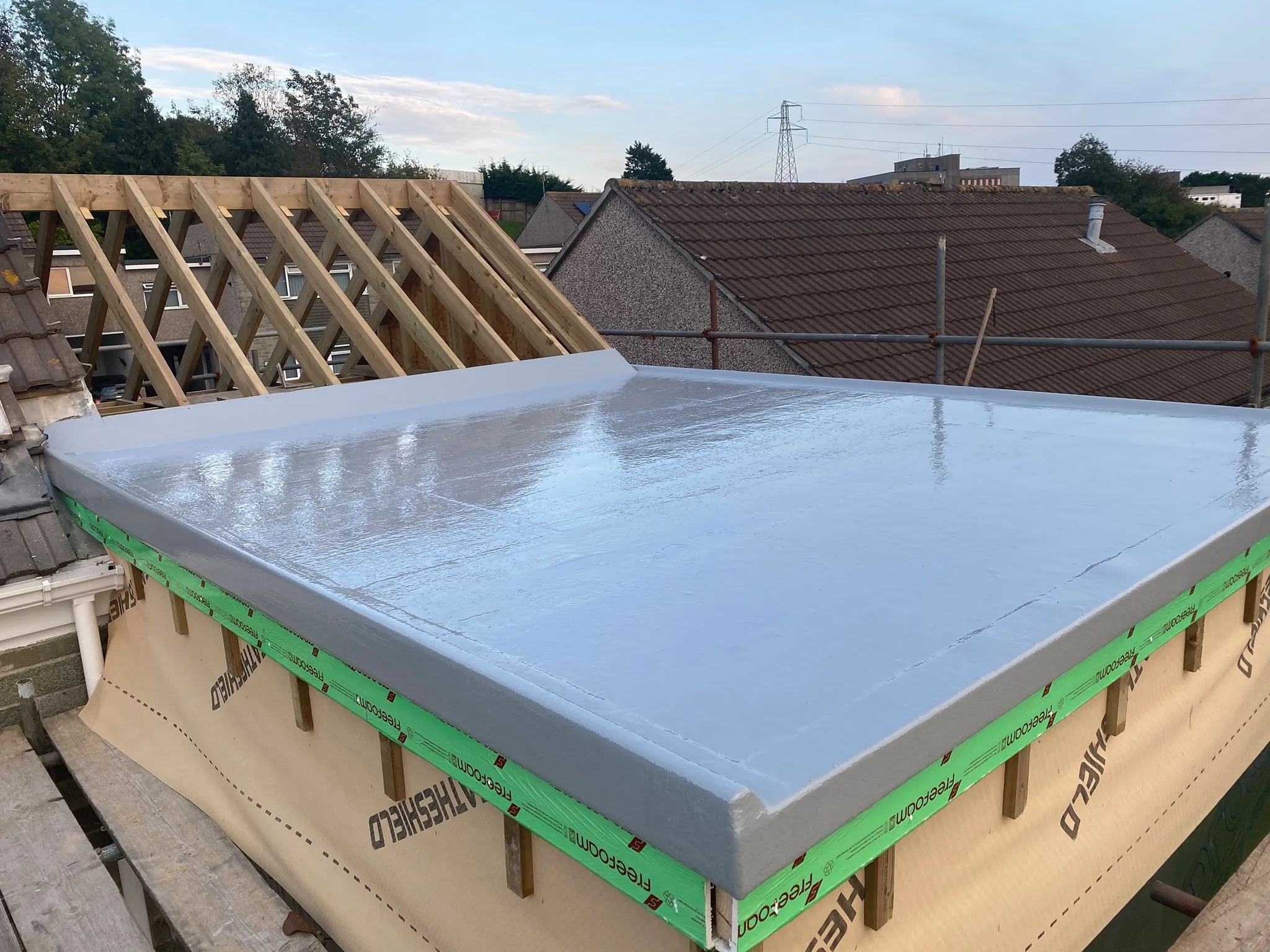
- GRP fibreglass: £60-£100 per m²
- Standing-seam metal: £70-£130 per m²
- Full warm-roof buildup with new insulation: £120-£200 per m²
A typical retail unit or small industrial roof, around 300-800m², costs roughly £15,000-£70,000 all in, depending on system and access. Larger warehouse re-roofs run considerably higher, and get priced on the survey findings rather than a flat rate per square metre.
Repairs are cheaper than replacement where the deck and structure are still sound. Minor patch repairs run £250-£600. Larger flashing, valley, or rooflight repairs run £600-£1,500. Planned maintenance contracts cost far less over a roof's working life than a string of emergency call-outs, though the exact price depends on roof size and visit frequency.
What pushes the price up or down: access (scaffolding, a mobile platform, or crane versus a straightforward ladder), roof height and pitch, the number of rooflights and plant upstands, whether old material needs stripping first, and how tightly the work has to fit around your trading hours.
These are general ranges, not a quote. A fixed price needs a proper survey — and our drone survey is free, with no obligation.
Comparison Table: Commercial Roofing Systems
| System | Typical Lifespan | Best For | Relative Cost |
|---|---|---|---|
| Built-Up Felt | 15-20 years | Lower-risk storage, older industrial stock, tight budgets | £ (lowest) |
| EPDM Rubber | 30-40 years | Smaller commercial units, extensions, low-maintenance roofs | ££ |
| Single-Ply Membrane (PVC/TPO) | 25-35 years | Large warehouse and retail roofs, wide open spans | ££ |
| GRP Fibreglass | 25-35 years | Walkways, plant access areas, small flat roof sections | £££ |
| Standing-Seam Metal | 40-50 years | New-build industrial units, wide pitched spans | £££ (highest) |
Why Choose Tate & Sons for Your Commercial Roof
Commercial roofing is led by Daniel Oakland, Project Manager and Lead Roofer, with 20+ years in the trade. He specialises in EPDM, GRP, and standing-seam systems, and runs commercial jobs day to day, from a single unit repair to a full warehouse re-roof out towards Colwick or Lenton Lane.
Tate & Sons was founded by James Tate on a simple idea: find out what's genuinely wrong, use the right materials, and leave a roof that holds for years, not months. That standard applies just as much to a 2,000m² warehouse as it does to a single garage. Read more on our About page.
Our roofers are directly employed, not subcontracted. They hold NVQ Level 2 and 3 qualifications in Roofing Occupations and carry CSCS cards. Every commercial roof comes with a free drone survey up front and a 10-year workmanship guarantee once the work is finished.
Commercial Roofing Across Nottingham and the Wider County: Areas We Serve
We fit, repair, and maintain commercial and industrial roofs right across Greater Nottingham and out into the wider county. Wherever your premises sit, our crews know the local trade estates, the access, and the buildings.
- Nottingham City Centre (NG1)
- The Park (NG1)
- West Bridgford (NG2)
- Sneinton (NG2)
- Wollaton (NG8)
- Lenton (NG7)
- Beeston (NG9)
- Chilwell (NG9)
- Stapleford (NG9)
- Arnold (NG5)
- Sherwood (NG5)
- Mapperley (NG3)
- Carlton (NG4)
- Gedling (NG4)
- Hucknall (NG15)
- Long Eaton (NG10)
- Mansfield (NG18)
- Sutton-in-Ashfield (NG17)
Got Questions?
Your Flat Roofing Questions, Answered Properly
How much does commercial roofing cost in the UK?
Commercial roofing typically costs £40-£130 per m², depending on the system, with built-up felt cheapest and standing-seam metal the most expensive. A typical small industrial unit or retail roof runs roughly £15,000-£70,000 all in. Larger warehouse re-roofs cost more and depend heavily on access, roof height, and the number of rooflights or plant upstands. A survey gives you an exact figure rather than a rough estimate.
How long does a commercial roof last?
It depends on the system and the quality of the install, with a range from 15 years for built-up felt to 40-50 years for standing-seam metal. EPDM and single-ply membrane both sit in the 25-40 year range with proper maintenance. Poor detailing at seams, upstands, and rooflight junctions is the most common reason a commercial roof fails early, whatever material it's built from. Planned maintenance stretches every system's working life considerably.
Should I repair or replace my commercial roof?
A sound structure with isolated damage — a lifted seam, a cracked flashing, a punctured membrane — can usually be repaired, which is the cheaper route where it's an option. Full replacement makes more sense once repairs are becoming frequent, the roof is past its expected lifespan, or repair costs are creeping toward a large share of what a new roof would cost. Insulation that's wet or failed is another sign a patch repair won't solve the underlying problem. Our free drone survey tells you honestly which category your roof falls into.
How often should a commercial roof be inspected?
Most commercial roofs need inspecting twice a year, once in spring and once in autumn, with an extra check after any major storm. Spring inspections catch damage from winter weather before it worsens, and autumn inspections make sure the roof is ready for the wetter months ahead. Higher-risk roofs, older buildings, or roofs with a history of problems often benefit from more frequent checks. A written condition report after each visit builds a record that's useful for insurance, budgeting, and any future sale.
Can commercial roofing work be carried out without closing my business?
Yes, in most cases. We split larger roofs into work zones, so only one section is exposed at a time, and we schedule the noisiest work for hours that suit your operation. Temporary weatherproofing goes on at the end of every working day, so nothing is left open overnight. Deliveries, parking, and fire exits get planned around your site, not the other way round, so most businesses keep trading throughout the project.
Do I need planning permission or Building Regulations sign-off for a commercial re-roof?
Most straightforward commercial re-roofs don't need planning permission if the building's appearance and materials stay broadly similar. Building Regulations notification is generally required for significant re-covering work, including checks on fire performance, insulation levels, and structural loading. Listed buildings or premises in a conservation area can bring extra restrictions. We flag anything that applies to your building during the survey, so there are no surprises later.
What's included in a planned preventative maintenance contract?
A planned maintenance contract covers regular inspections, gutter and outlet clearing, and small repairs carried out before they turn into leaks. Each visit typically includes a full condition check, photographic evidence, and a written report you can keep for insurance or lease purposes. Minor issues like a lifted seam or a failing sealant joint get fixed on the spot or scheduled quickly, rather than left to worsen. For most commercial buildings, this costs a fraction of the emergency call-outs and downtime it prevents.
Who's responsible for roof repairs under a commercial lease?
It depends entirely on your lease terms, and it catches out more tenants and landlords than you'd expect. A full repairing and insuring (FRI) lease usually places roof upkeep on the tenant, while other arrangements split responsibility between landlord and occupier, or leave it with the landlord alone. A written condition report and dilapidations schedule at the start of a lease protects both sides if a dispute comes up later. If you're not sure where responsibility sits on your unit, it's worth checking before a leak turns into a legal question as well as a roofing one.
Can a commercial roof take the extra weight of solar panels?
Not always, and it's worth checking before you commit to a solar installation. Older built-up felt roofs and lightweight steel decks weren't always designed for the added point loading that panel mounting brings, so a structural check comes before any solar quote is worth trusting. A single-ply or standing-seam roof in good condition usually copes well, provided the mounting system spreads load correctly across the deck. We factor solar loading into any survey where panels are part of the plan, so the roof and the array get specified together, not as an afterthought.
Book Your Free Drone Roof Survey Today
See exactly what your roof needs before any work starts. No ladders, no pressure — just a clear picture from a local Nottingham team.
A tired roof only gets worse as water works deeper into the deck and timber beneath it. A quick, free drone survey today tells you exactly where you stand — and often the fix is smaller and cheaper than you feared. Book now, get an honest quote, and protect your home before the next East Midlands downpour finds the weak spot.
📍 57 Cyril Avenue, Nottingham, NG8 5BA
📞 0115 647 4455
Call the Nottingham team today on 0115 647 4455, or request your free drone survey online. We’re already working across your area.
Get in Touch
Tate & Sons Roofing — Nottingham
57 Cyril Avenue, Nottingham, NG8 5BA
📞 0115 647 4455
✉️ [email protected]