
🏠 Trusted Local Roofers
Dry Verge System Nottingham
Crumbling mortar along a roof verge is one of the most common repair calls we get in Nottingham. It flakes off in dry spells, washes out in wet ones, and eventually lets tiles slip or wind get underneath them. A dry verge system in Nottingham replaces that mortar with mechanically fixed plastic or composite units that clip over the tiles and hold firm for decades. As a roofing contractor working right across the city, we fit dry verge systems that are built to the current wind-load standard, not just clipped on and left.
- Fully Insured
- 10-Year Guarantee
- 5-Star Rated
Quick Free Estimate - No Obligation
We're not just roofers – we're your neighbours.
Fully Insured • Response within 15 mins
🔒 Your details are safe with us. No spam, ever.
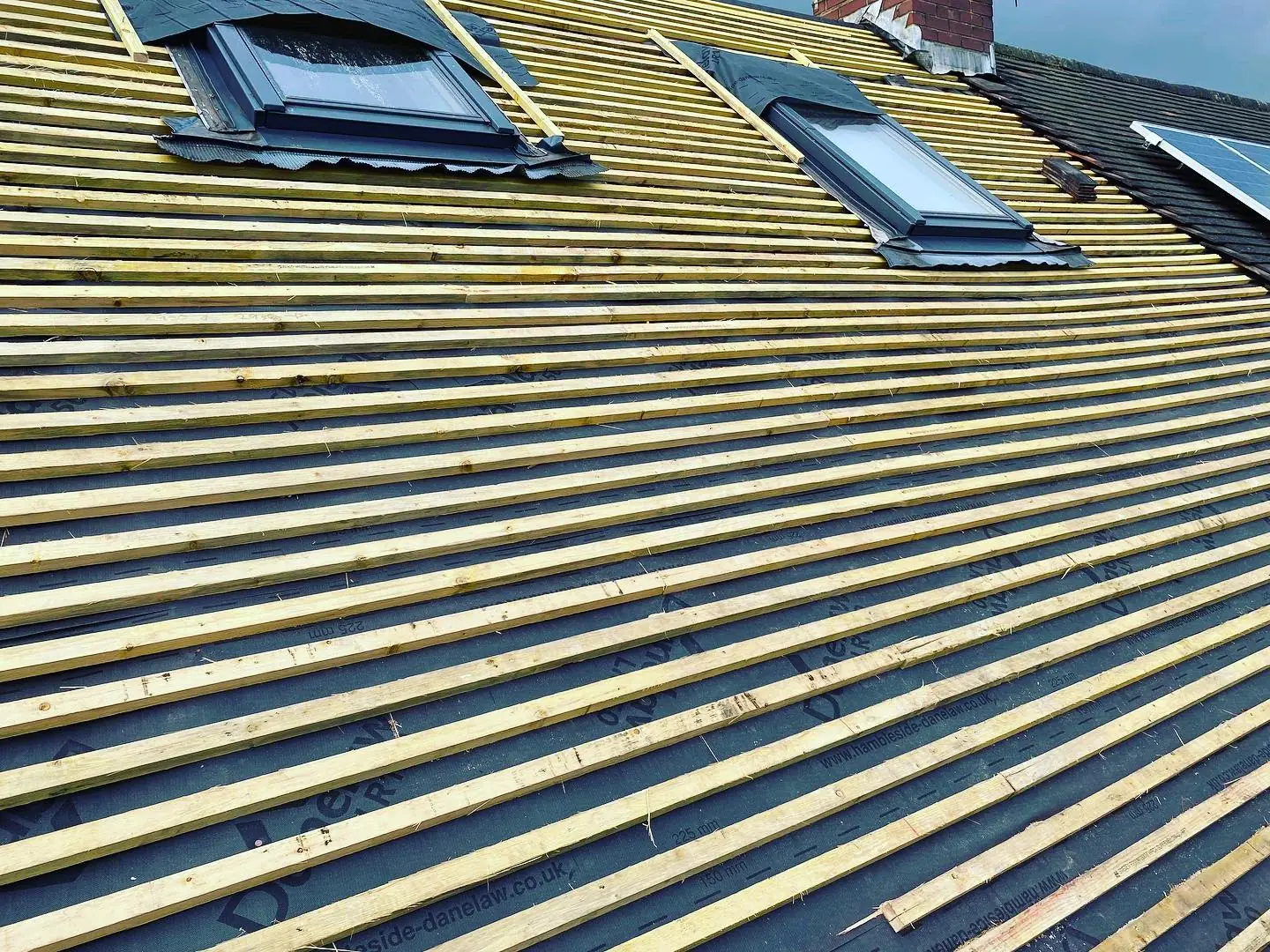
What Is a Dry Verge System, and Does Your Nottingham Home Need One?
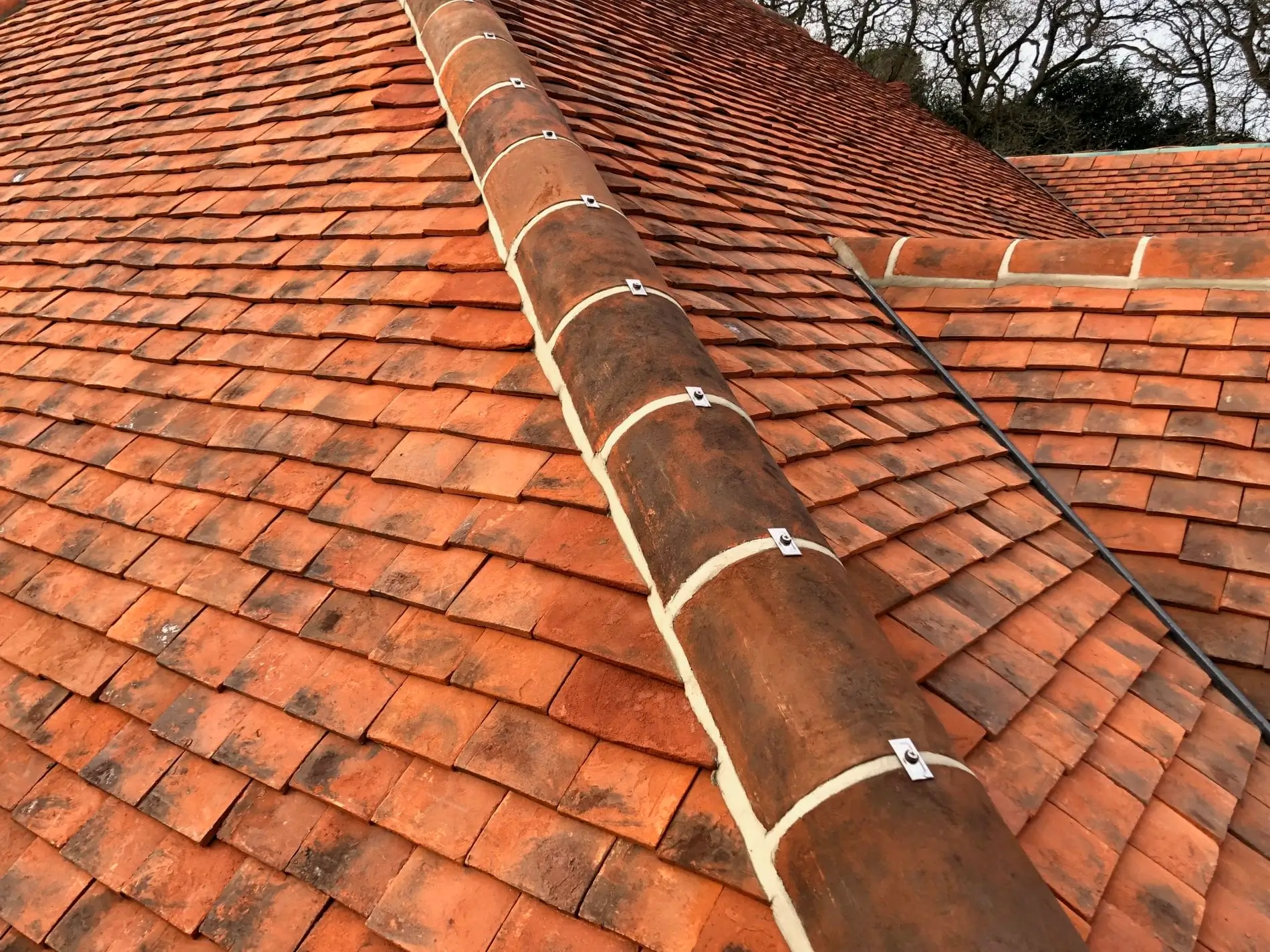
A dry verge system is a run of interlocking plastic or composite units that clip over the end tiles at a roof's gable, sealing the joint between the roof and the wall without using sand-and-cement mortar. Each unit mechanically fixes to the roof structure, closing the gap against wind and rain while letting the roof space breathe. Most Nottingham homes with an older mortar-bedded verge are good candidates, especially if the mortar is cracking, or you've had a tile lift in a storm. A dry verge system is not the same as a dry ridge system, which does the equivalent job along the top of the roof rather than down the gable end.
Dry Verge vs Mortar Verge: Which Wins in Nottingham's Weather?
Sand-and-cement mortar has finished roof verges for generations, and it still has its place on some period properties. For most homes, though, a dry verge system now wins on almost every count.
- Mortar needs stable, dry weather to cure properly, so a wet or frosty Nottingham autumn can delay a repair for weeks
- Mortar typically needs repointing every few years, while a properly fitted dry verge runs 20-30 years with little to no attention
- A dry verge clips together mechanically, so it isn't relying on a bond that shrinks, cracks, and eventually lets go
- Dry verge units are tested to resist wind uplift, which matters on the exposed gable ends common around Mapperley Top and the county's higher ground
- A mortar verge can look right at home on a period property in The Park or parts of Lenton, where conservation rules favour a traditional finish
- Where we're already fitting a dry ridge system, adding dry verge at the same time keeps the whole roofline consistent and avoids two separate jobs later
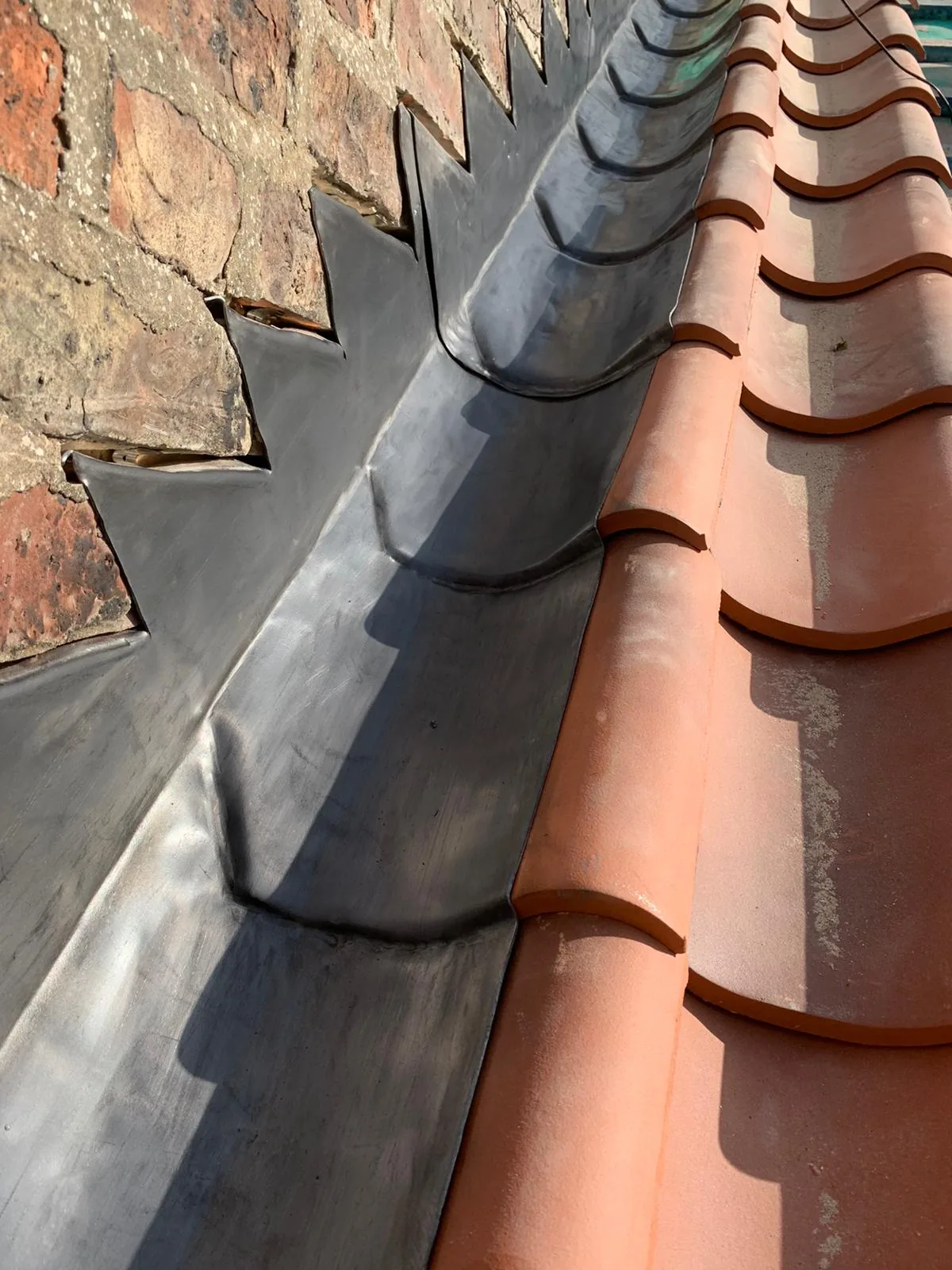
The right call depends on your roof's tile type, how exposed the gable is, and whether the property sits somewhere with conservation restrictions. We'll give you an honest recommendation at survey stage rather than pushing one system by default.
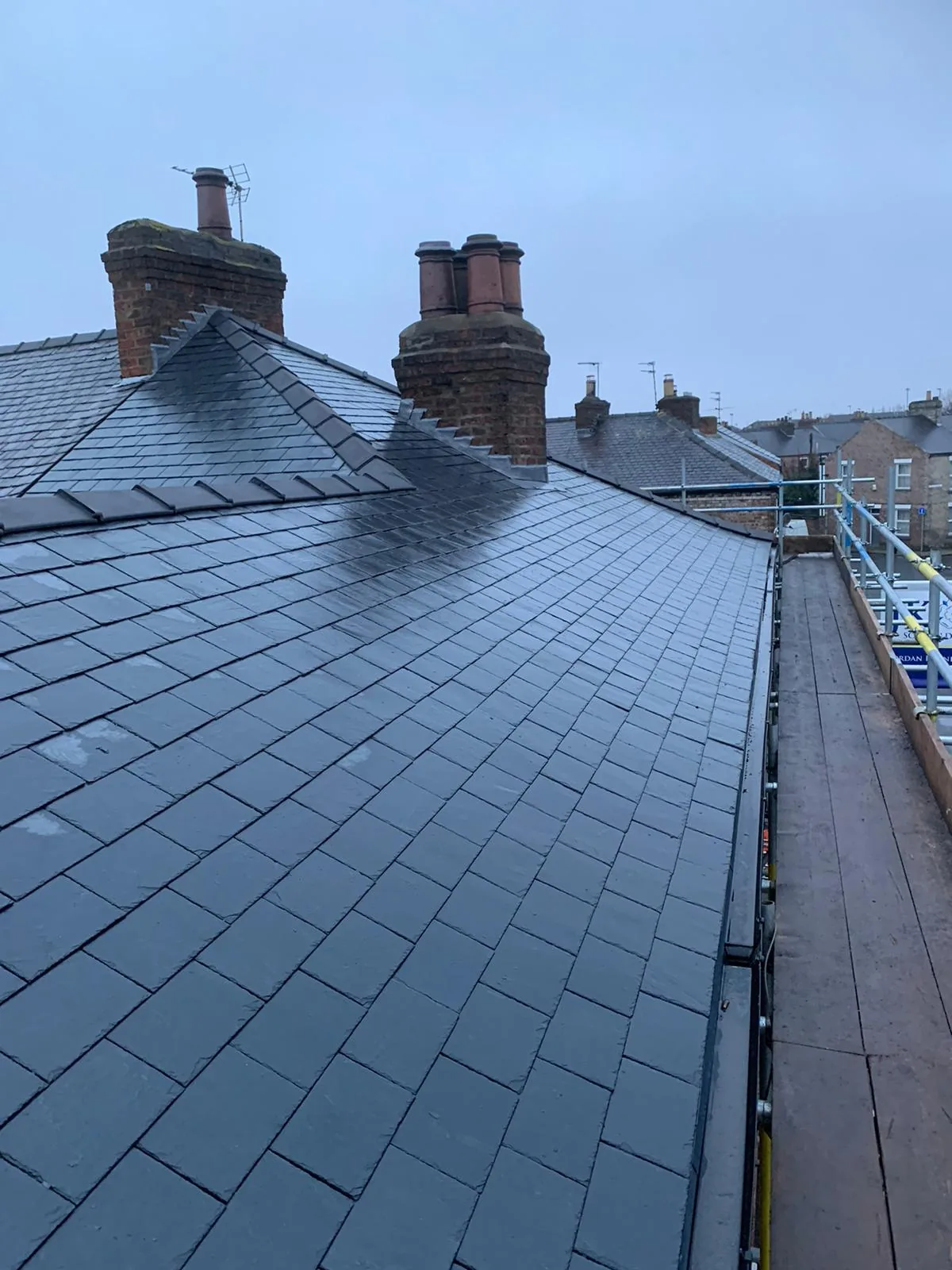
What Happens Before We Touch Your Verge
A dry verge job starts with a proper look at the roof, not a guess from the pavement.
- We carry out a free drone survey of every verge, ridge, and junction on the roof — no ladders needed
- You get clear photos showing exactly where mortar has failed or tiles have shifted
- We check your tile type and batten gauge, since dry verge units are matched to specific tile profiles
- We confirm whether the existing bargeboard and mortar bed are sound enough to fix into, or need repair first
- If you're in The Park, Lenton, or another conservation area, we flag anything that needs sign-off before work starts
- You get a firm quote and an agreed scope before we book a date
How We Install a Dry Verge System That Won't Blow Off in a Storm
Most dry verge failures come down to rushed fitting, not a fault with the product itself. Here's how we do it properly.
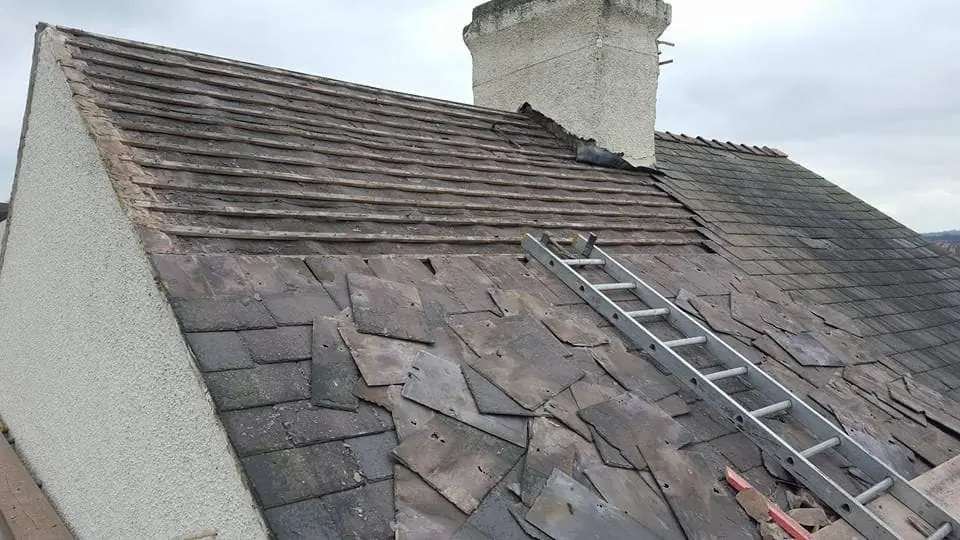
- Strip out all the old mortar first — any left in place stops the new units sitting flush and gives wind somewhere to catch
- Check and repair the bargeboard or fascia underneath, since a dry verge is only as solid as what it's fixed to
- Fit the first verge unit at the eaves with a proper mechanical fixing into sound timber, not just into the tile
- Work up the verge course by course, interlocking each unit and matching it to the tile profile and batten gauge
- Fit a purpose-made ridge union or end cap where the verge meets the ridge, so there's no gap for wind or birds
- Finish and clear the site, typically half a day to a full day for a standard semi, weather and access allowing
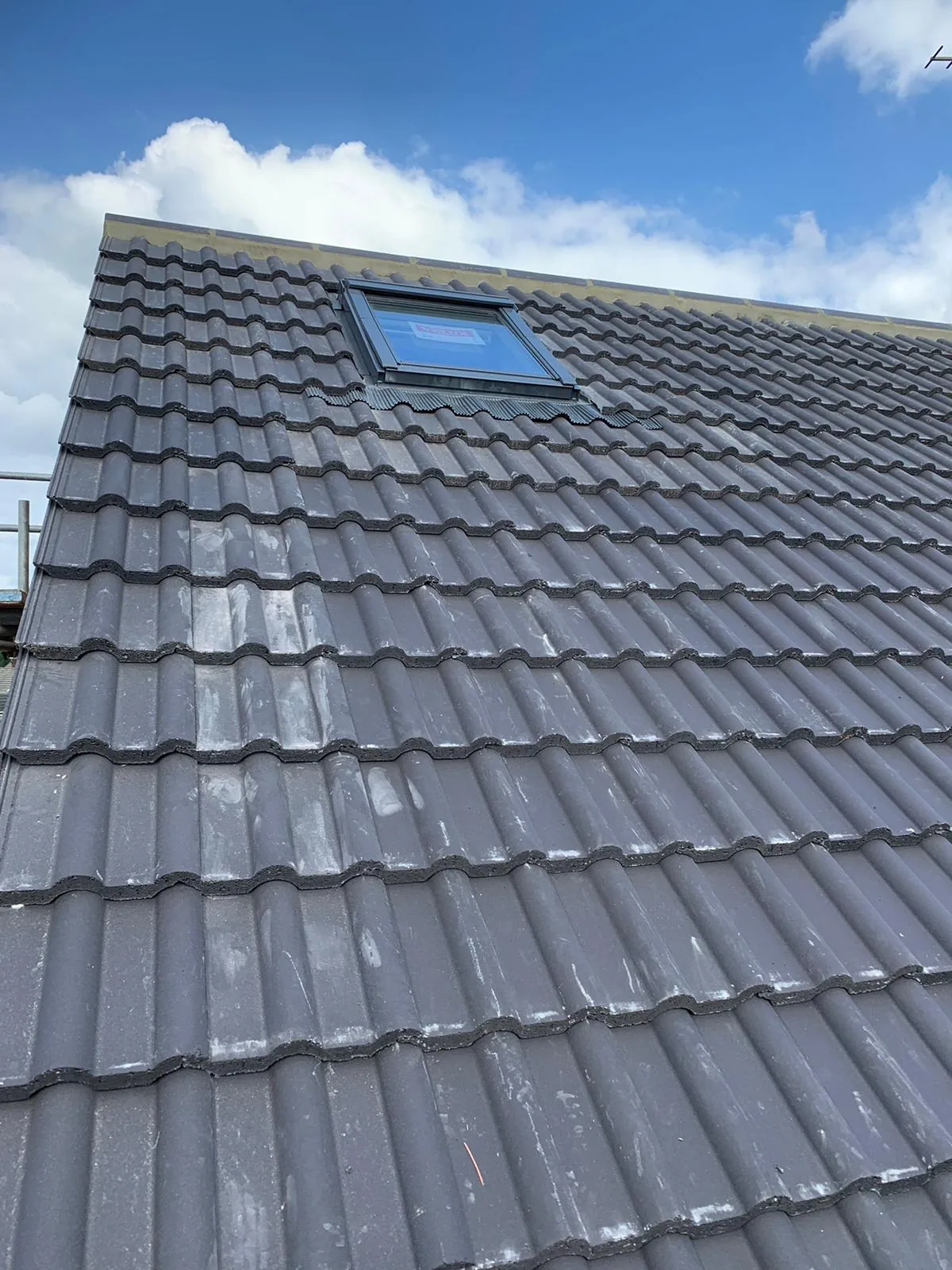
We fit systems tested to BS 8612 — the British Standard covering dry-fixed ridge, hip, and verge systems — which sets out wind resistance and water drainage requirements a compliant product has to meet. The Roof Tile Association has a clear technical breakdown of what that standard actually covers in its introduction to dry-fix roofing, if you want the full detail.
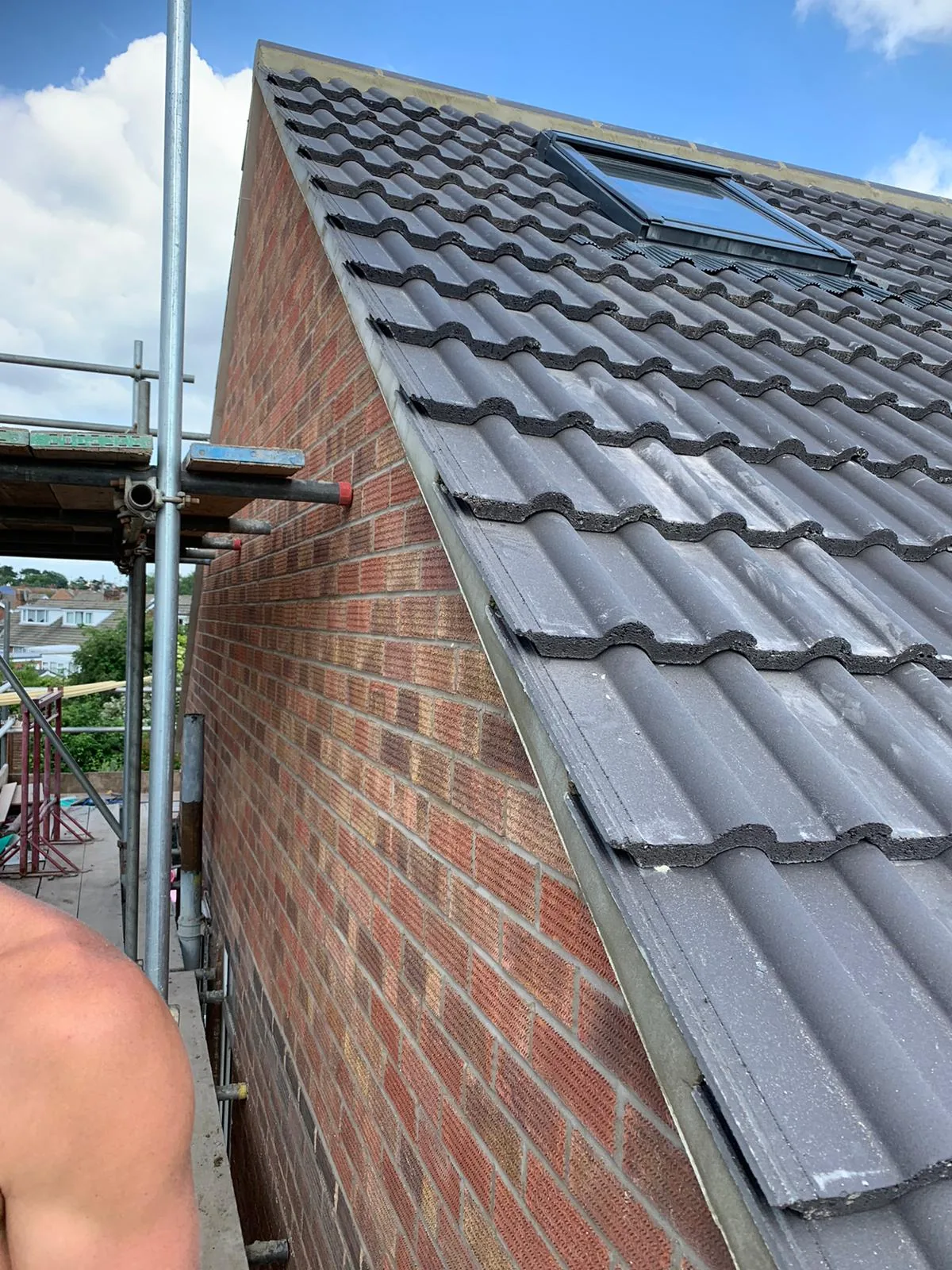
Spot the Warning Signs, Then Check the Work
Whether you're worried about an existing verge or checking a job we've just finished, here's what to look for.
Signs Your Verge Needs Attention
- Cracked, crumbling, or missing mortar along the gable edge
- A tile that's visibly slipped or lifted at the verge, especially after a windy spell
- Daylight or a draught visible from inside the loft along the verge line
- Damp staining on the gable wall below the roofline, a sign water is tracking down behind the mortar
- Existing plastic dry verge units that have gone brittle, faded badly, or come loose at the joints
- Bird or wasp activity around gaps at the verge, a sign pests have found a way in
How to Check a Dry Verge Job Was Done Properly
- Every unit should sit flush against the tiles with no visible gaps, twists, or proud edges
- The line should run straight and consistent from eaves to ridge, not wander or step at the joins
- Fixings should be screwed into sound timber, not just clipped to the tile below
- Ask to see photos of the old mortar being stripped out — leaving it in place is one of the most common shortcuts
- You should get written confirmation of the product used and its BS 8612 compliance
- We back every dry verge installation with a 10-year workmanship guarantee, in writing, from day one
Stopping Verge Failures Before They Start
A dry verge system needs far less looking after than mortar, but a couple of checks a year still catch problems early.
- Give the verge line a visual check twice a year, ideally after autumn leaf-fall and again in spring
- Look and listen for a rattling or loose unit after any named storm — it's usually a quick fix caught early
- Clear moss and debris that builds up where the verge meets the gutter, since it can trap moisture against the units
- Check the loft for daylight or draughts along the verge line once a year, particularly in an older property
- Report a cracked or faded unit as soon as you notice it, rather than waiting for it to lift in the next gale
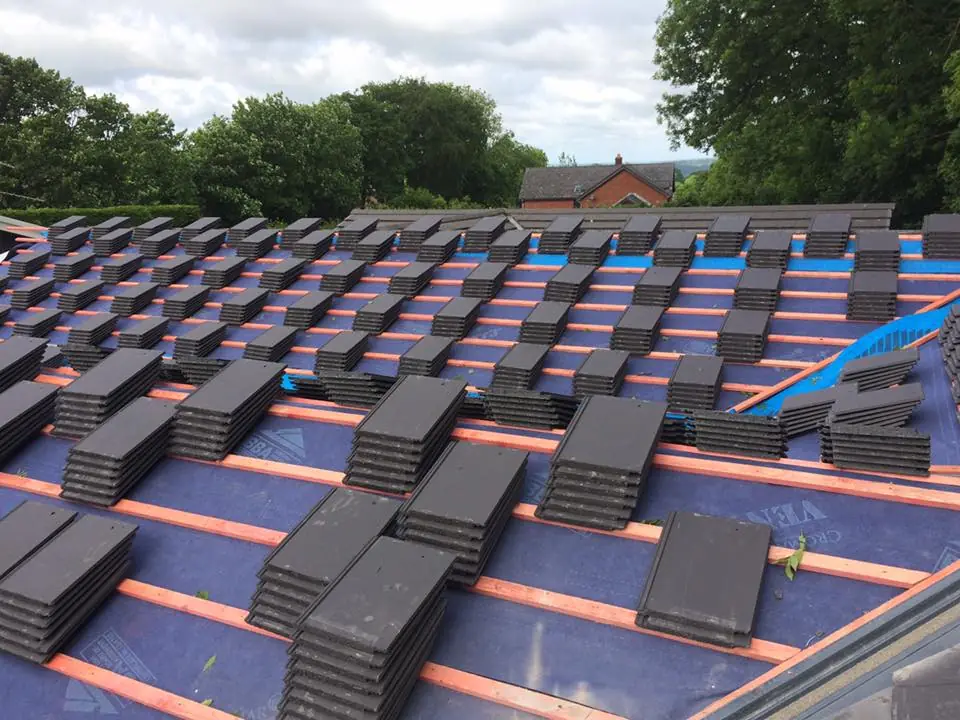
Cost & Pricing Guidance
Dry verge pricing across the UK for 2025/26 typically runs like this:
- Small roof or single gable (porch, bungalow, short verge run): £400-£800
- Standard semi-detached house, both gables: £750-£1,000
- Larger detached property or a roof with several gables: £1,200-£2,000+
- Materials alone typically run a modest fraction of the total, with labour making up most of the cost on smaller jobs
Repairing an existing dry verge, where only a few units have failed, usually costs £150-£350. A full strip-out and replacement of an old mortar verge costs more than a repair but less than a full re-roof, and it's often bundled with dry ridge work to keep scaffolding and access costs down.
What pushes the price up or down: access (scaffolding versus a ladder on a single-storey gable), how much old mortar needs stripping out first, the number of gables and their length, and whether the bargeboard underneath needs repair before the new units go on.
These are general ranges, not a quote. A fixed price needs a survey — and our drone survey is free, with no obligation.
Comparison Table: Verge Finishes for Nottingham Roofs
| Verge Type | Typical Lifespan | Best For | Relative Cost |
|---|---|---|---|
| Mortar (Wet) Verge | 3-8 years before repointing | Listed buildings and conservation areas needing a traditional look | £ (cheapest per visit, most repeat cost) |
| Standard uPVC Dry Verge | 20-30 years | Most semis and detached homes on concrete or clay interlocking tiles | ££ |
| Universal Interlocking Dry Verge | 20-30 years | Mixed tile profiles or roofs being re-tiled, since one system fits several profiles | ££ |
| Lead-Detailed Verge | 40+ years | Heritage slate roofs in The Park and older Sherwood or Mapperley terraces | £££ (highest) |
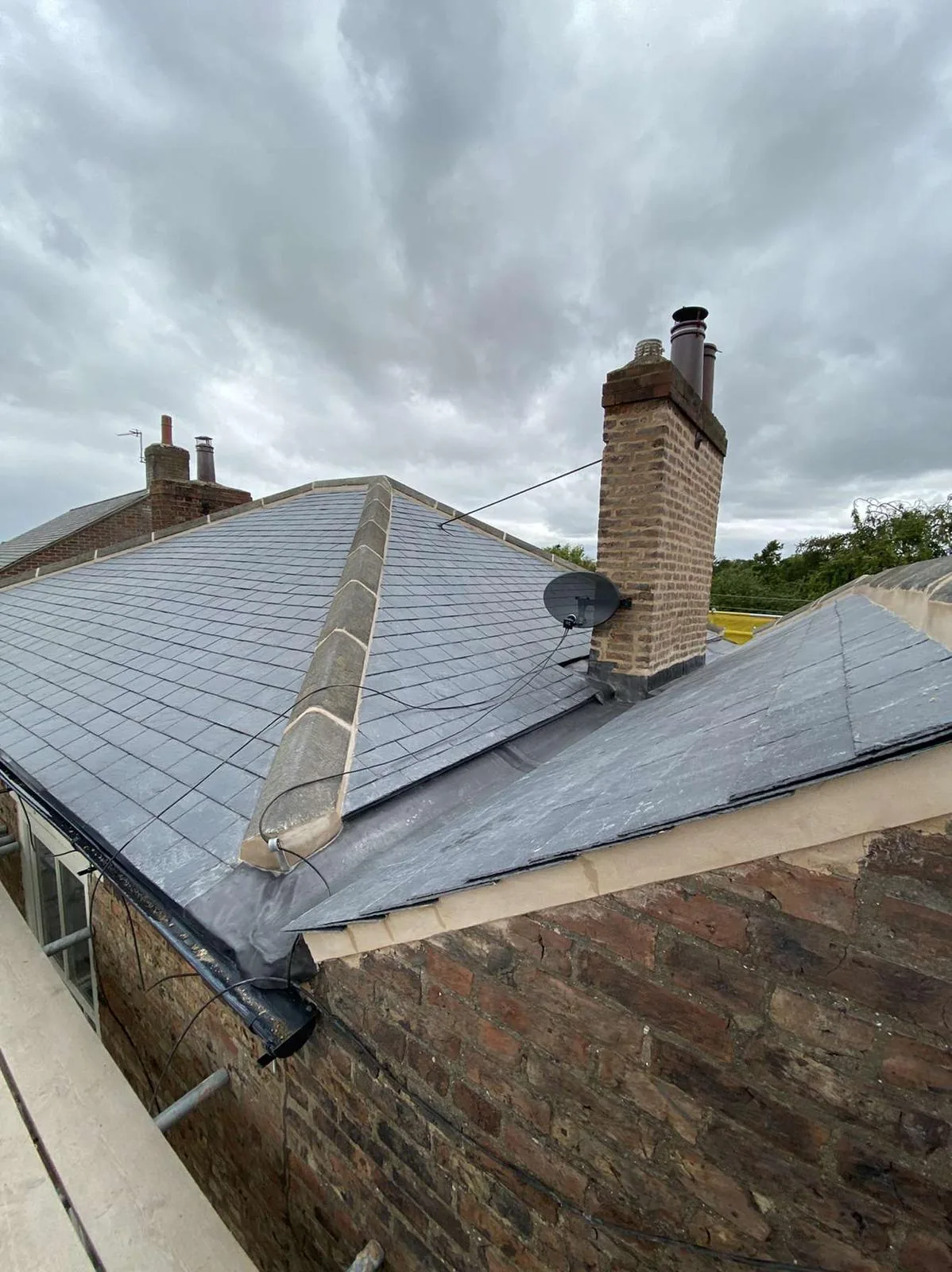
Where a roof has natural slate and period detailing to preserve, a lead-clad verge sometimes suits the property better than plastic. Our lead work and lead flashing team handles that side of the job on heritage properties where a modern dry verge would look out of place.
Why Choose Tate & Sons for Your Dry Verge System
Dry verge and roofline work is led by Daniel Oakland, Project Manager and Lead Roofer, who has 20+ years in the trade. He runs every dry verge job day to day, and splits his time between modern mechanical fixing systems and heritage slate and lead detailing on older Nottingham homes — exactly the mix a verge upgrade often needs, since it usually means replacing an old mortar bed on a period roof with a properly engineered modern fixing.
Tate & Sons was founded by James Tate on a simple idea: find out what's genuinely wrong, use the right materials, and leave something that holds for years, not months. That's exactly why we strip old mortar out fully rather than fixing over it. Read more on our About page.
Our roofers are directly employed, not subcontracted. They hold NVQ Level 2 and 3 qualifications in Roofing Occupations and carry CSCS cards. Every dry verge job comes with a free drone survey up front and a 10-year workmanship guarantee once the work is finished.
Dry Verge Systems Across Nottingham and the Wider County: Areas We Serve
We fit and repair dry verge systems right across Greater Nottingham and out into the wider county. Wherever your property sits, our crews know the local tile types, the weather, and the access.
- Nottingham City Centre (NG1)
- The Park (NG1)
- West Bridgford (NG2)
- Sneinton (NG2)
- Wollaton (NG8)
- Lenton (NG7)
- Beeston (NG9)
- Chilwell (NG9)
- Stapleford (NG9)
- Arnold (NG5)
- Sherwood (NG5)
- Mapperley (NG3)
- Carlton (NG4)
- Gedling (NG4)
- Hucknall (NG15)
- Long Eaton (NG10)
- Mansfield (NG18)
- Sutton-in-Ashfield (NG17)
Got Questions?
Your Flat Roofing Questions, Answered Properly
What is a dry verge system?
A dry verge system is a run of interlocking plastic or composite units that seal a roof's gable edge without using sand-and-cement mortar. Each unit clips over the end tiles and fixes mechanically into the bargeboard or batten below, closing the gap against wind and rain. It replaces the traditional mortar bed that has finished most UK roof verges for decades. Because it's a mechanical fixing rather than a bonded material, it doesn't crack, crumble, or need repointing the way mortar does.
How much does a dry verge system cost in the UK?
Most Nottingham homes pay £750-£1,000 to fit dry verge to both gables of a standard semi-detached house. A single gable or small roof, such as a porch or bungalow, typically runs £400-£800. Larger detached properties with several gables can run £1,200-£2,000 or more. Access, the amount of old mortar to strip out, and the condition of the bargeboard underneath all affect the final price.
What's the difference between a dry verge and a mortar verge?
A mortar verge uses sand-and-cement mortar to bed and seal the tiles at the gable edge, while a dry verge uses mechanically fixed plastic or composite units instead. Mortar needs stable, dry weather to cure and typically needs repointing every few years as it cracks and washes out. A dry verge system clips together and, fitted correctly, lasts 20-30 years with very little attention. Mortar still suits some listed or conservation-area properties where a traditional finish matters more than low maintenance.
How long does a dry verge system last?
A properly fitted dry verge system typically lasts 20-30 years, well beyond the 3-8 years you'd get between mortar repointing jobs. Lifespan depends on the quality of the product, how well it was fitted, and how exposed the gable is to wind and driving rain. UV-stabilised uPVC units hold their colour and strength far better than older, cheaper products. Poor fitting — especially old mortar left in place underneath — is the most common reason a dry verge fails early.
Does a dry verge system stop birds and wasps getting into my roof?
Yes, a correctly fitted dry verge closes the small gaps at the gable edge that birds, wasps, and bees often use to get into a roof void. Loose mortar or an ill-fitting older verge leaves exactly these kinds of gaps open. That said, the seal only works if every unit sits flush and the end caps are fitted properly, so a badly installed dry verge can leave the same vulnerability behind. If you've had recurring nesting problems at the roofline, it's worth having the verge checked alongside any pest treatment.
Can a dry verge system be fitted on any type of roof tile?
Most dry verge products are matched to a specific tile profile, whether that's plain tile, interlocking concrete tile, or natural slate, so the right unit depends on what's already on your roof. Universal or interlocking dry verge systems now cover several common profiles with one product line, which helps on roofs with mixed or older tiles. Natural slate roofs, especially on period properties, sometimes suit a lead-detailed verge better than a standard plastic unit. We confirm your tile profile and batten gauge at survey stage before recommending a product.
Do dry verge systems need planning permission on a listed building or in a conservation area?
Straightforward dry verge installation on an ordinary house doesn't usually need planning permission, since it's treated as maintenance. Listed buildings, and properties in conservation areas such as The Park or parts of Lenton, can be a different matter, since the appearance of the roofline is sometimes protected. Swapping a traditional mortar verge for visible plastic units can be exactly the kind of change that needs consent in those areas. We flag anything that needs sign-off during your survey, before any work is booked.
How long does dry verge installation take?
A single gable typically takes one to two hours once the old mortar is stripped out and the bargeboard is confirmed sound. A standard semi-detached house with two gables usually takes half a day to a full day for our two-person crew. Larger properties, roofs needing scaffolding, or verges with hidden bargeboard rot take longer. We give you a realistic timeframe at survey stage, based on what we actually find on your roof.
Can a damaged dry verge be repaired, or does the whole verge need replacing?
A handful of cracked, faded, or loose units can usually be repaired by replacing just those pieces, which is the cheaper route where the rest of the verge is sound. Widespread failure, an old and discontinued product, or a bargeboard that's rotten underneath usually points to a full strip-out and replacement. Our free drone survey shows exactly which category your verge falls into, with photos rather than a guess from ground level.
Book Your Free Drone Roof Survey Today
See exactly what your roof needs before any work starts. No ladders, no pressure — just a clear picture from a local Nottingham team.
A tired roof only gets worse as water works deeper into the deck and timber beneath it. A quick, free drone survey today tells you exactly where you stand — and often the fix is smaller and cheaper than you feared. Book now, get an honest quote, and protect your home before the next East Midlands downpour finds the weak spot.
📍 57 Cyril Avenue, Nottingham, NG8 5BA
📞 0115 647 4455
Call the Nottingham team today on 0115 647 4455, or request your free drone survey online. We’re already working across your area.
Get in Touch
Tate & Sons Roofing — Nottingham
57 Cyril Avenue, Nottingham, NG8 5BA
📞 0115 647 4455
✉️ [email protected]