
🏠 Trusted Local Roofers
Industrial Roof Repair Nottingham
A leaking factory or warehouse roof rarely waits for a quiet week. Water finds cracked asbestos cement sheets, failed rooflights, and tired flashings fast, and it puts stock, machinery, and production at risk the moment it gets in. As a roofing contractor working across Nottingham, we repair industrial roofs on tight schedules, with as little disruption to your site as we can manage. This page covers the systems involved, what a repair costs, and how to check the work was done right.
- Fully Insured
- 10-Year Guarantee
- 5-Star Rated
Quick Free Estimate - No Obligation
We're not just roofers – we're your neighbours.
Fully Insured • Response within 15 mins
🔒 Your details are safe with us. No spam, ever.
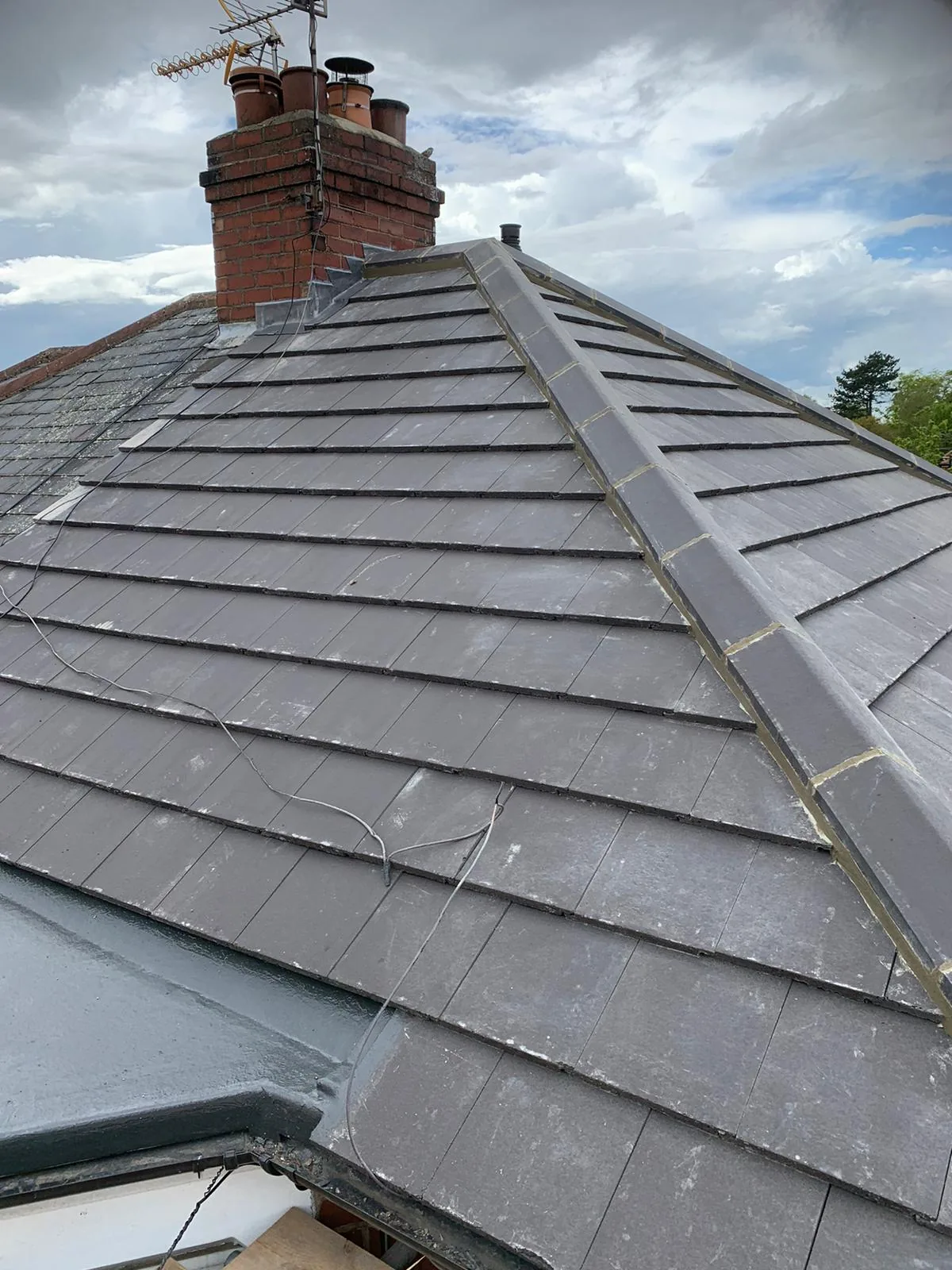
Repair or Replace? What the Damage on Your Industrial Roof Is Telling You
Most industrial roof problems are repairable if the damage covers under roughly 25% of the total roof area and the structure underneath is still sound. Localised issues — a split lap joint, a cracked rooflight, a failed flashing — are usually a straightforward patch or panel swap. Once damage spreads past a quarter of the roof, or the deck and purlins (the horizontal beams that support the roof sheets) are wet and rotting, a full recover or replacement becomes the better value option. A survey is the only way to know for certain which category your roof falls into.
Here's what to look for before you decide:
- Water stains spreading across the underside of the roof deck, or damp patches on stock and equipment below
- Standing water still sitting on flat sections more than 48 hours after rain
- Corroded or lifting laps where profiled metal sheets overlap
- Cracked, opaque, or leaking rooflight panels
- Rust streaks running down from fixings, flashings, or gutter brackets
- Sagging or visibly dipping roof sheets between purlins
- Moss and debris built up in valley gutters, holding water against the deck
Industrial roofs cover far more ground than a shop front or office block, so the numbers, the access equipment, and the timescales involved are all bigger too. If you're dealing with a smaller retail unit or office roof instead, our Commercial Roof Repair page covers that ground specifically.
Profiled Metal, Single-Ply Membrane or Asbestos Cement: What's On Your Roof?
Industrial buildings across Nottingham's estates use a handful of roofing systems, and knowing which one you have shapes the whole repair.
Profiled Metal Sheeting
- The most common covering on factories and warehouses built from the 1970s onward
- Corrugated or trapezoidal steel or aluminium sheets, fixed with exposed or hidden fasteners
- Fails first at side and end laps, and around fixings that have worked loose over time
- Can often be over-clad or recovered rather than stripped back completely
Single-Ply Membrane (EPDM, TPO, PVC)
- A flexible sheet membrane, either fully bonded or mechanically fixed, laid over a flat or low-pitch deck
- Common on flat-roofed extensions to industrial units and on modern warehouse builds
- Seams are the weak point, so lap welds need checking on a regular basis
- Straightforward to overlay onto an existing sound deck without a full strip-out
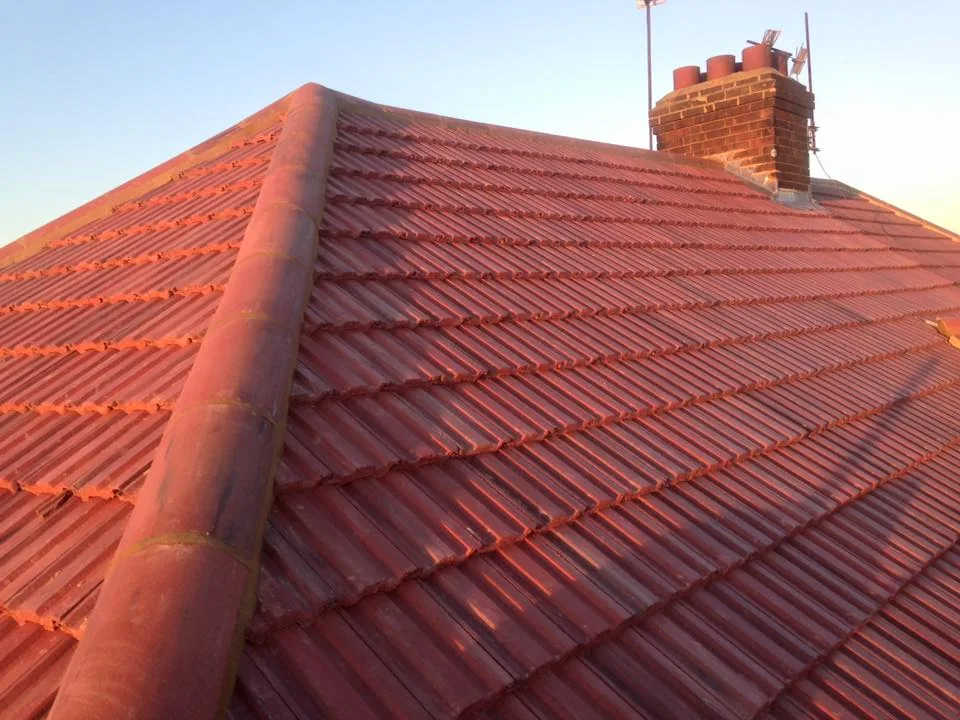
Built-Up Felt or Mastic Asphalt
- A layered bitumen or asphalt system, often found on older industrial units and boiler house roofs
- The cheapest system to patch, but the shortest lifespan of the common options
- Blisters and cracks as the material ages and loses flexibility
Asbestos Cement Sheeting
- Widespread on industrial buildings put up before the 1980s asbestos ban
- Legally manageable in place if it's in sound condition — see the Cost section below for encapsulation versus removal
- Any drilling, cutting, or disturbance needs a risk assessment under the Control of Asbestos Regulations 2012 first
Whatever system your building uses, large-span industrial roofs carry real fall risk, particularly around ageing rooflights and asbestos cement sheets that won't take a person's weight. The HSE's guidance on health and safety in roof work (HSG33) sets out why fragile roof surfaces cause a large share of construction fatalities, and how repair crews should work safely at height. Our teams plan every industrial job around it.
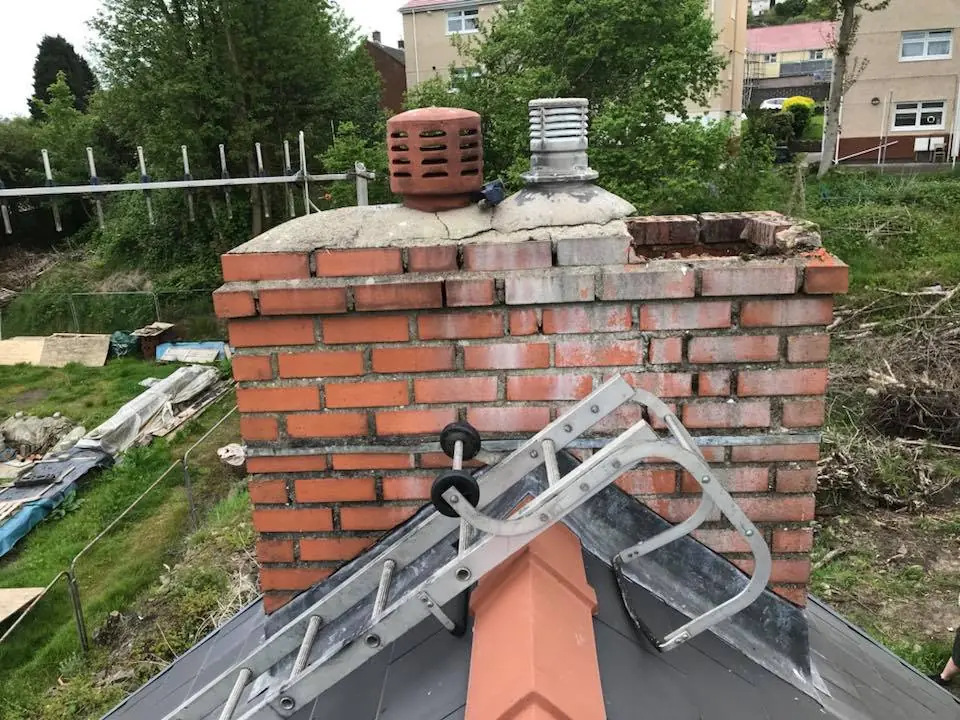
What Happens Before We Touch Your Industrial Roof
Every industrial job starts with a proper look at the whole roof, not a guess made from ground level.
- We carry out a free drone survey across the full roof area, mapping every sheet, seam, and rooflight
- You get a photo report showing exactly where the problems are, with no scaffold needed just to look
- We check purlins and roof structure for corrosion or rot before quoting any recover work
- We flag any asbestos cement sheeting and arrange a risk assessment before anyone goes near it
- We plan access — cherry picker, rope access, or roof walkway boards — around your operational hours
- We agree a fixed scope and a schedule that works around shift patterns, deliveries, or production lines
- You get a written quote before any work starts, so there are no surprises later
How We Repair an Industrial Roof Without Stopping Your Business
Downtime costs money, so every repair is planned to get in, get it right, and get out.
- Isolate and make safe the damaged area first, including any exposed rooflights or fragile sections
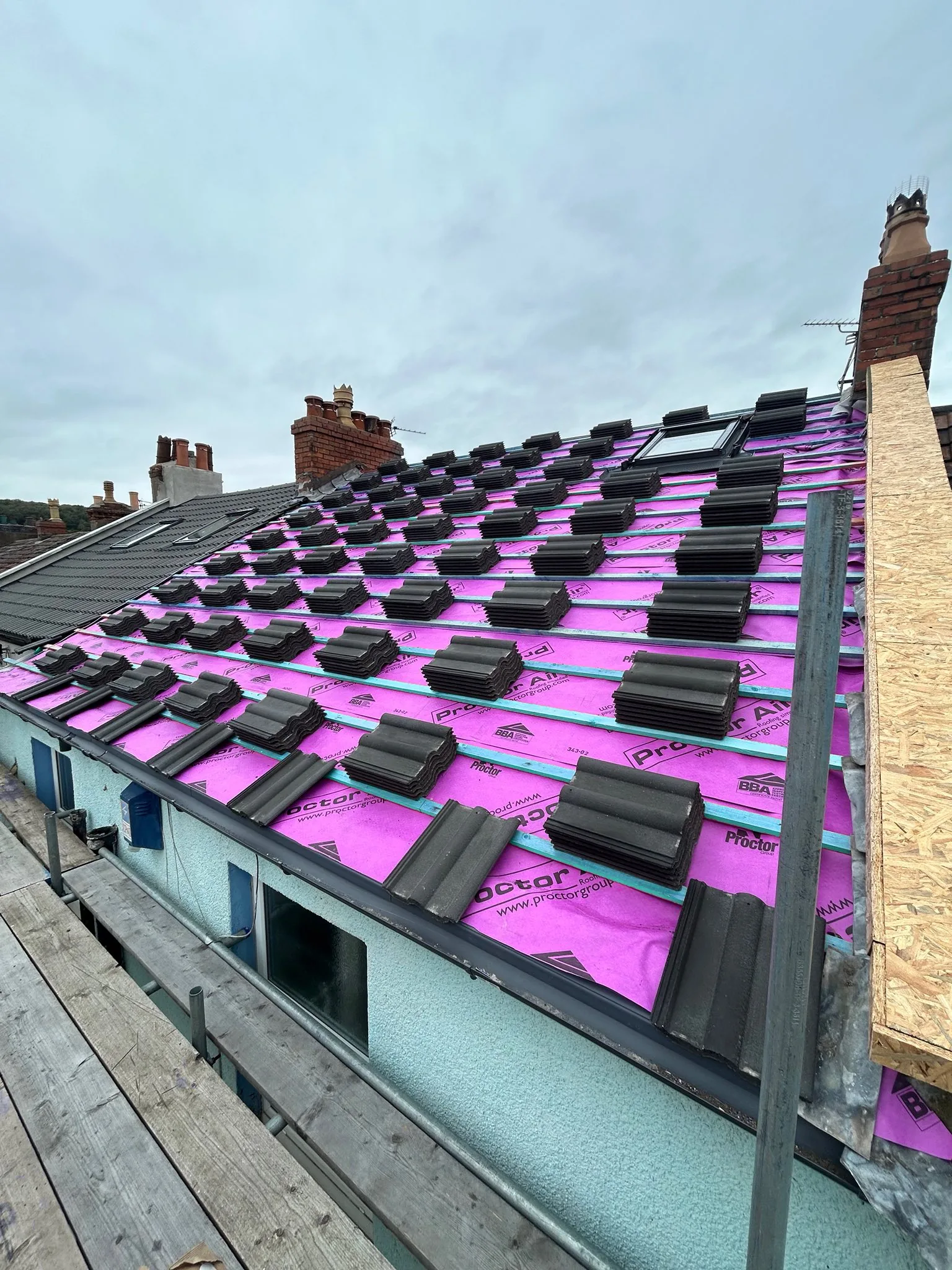
- Strip back only the affected sheets, membrane, or flashing — not the whole roof, unless the survey calls for it
- Replace damaged profiled sheets or weld in new membrane sections that match the existing system
- Fit non-fragile rooflight replacements where old ones have cracked, yellowed, or lost their impact resistance
- Renew flashings, valley gutters, and fixings at every point the original failure started
- Work out of hours or in phased sections on live sites, where your operation needs it
- Clear the site and leave a full written record of what was replaced and where
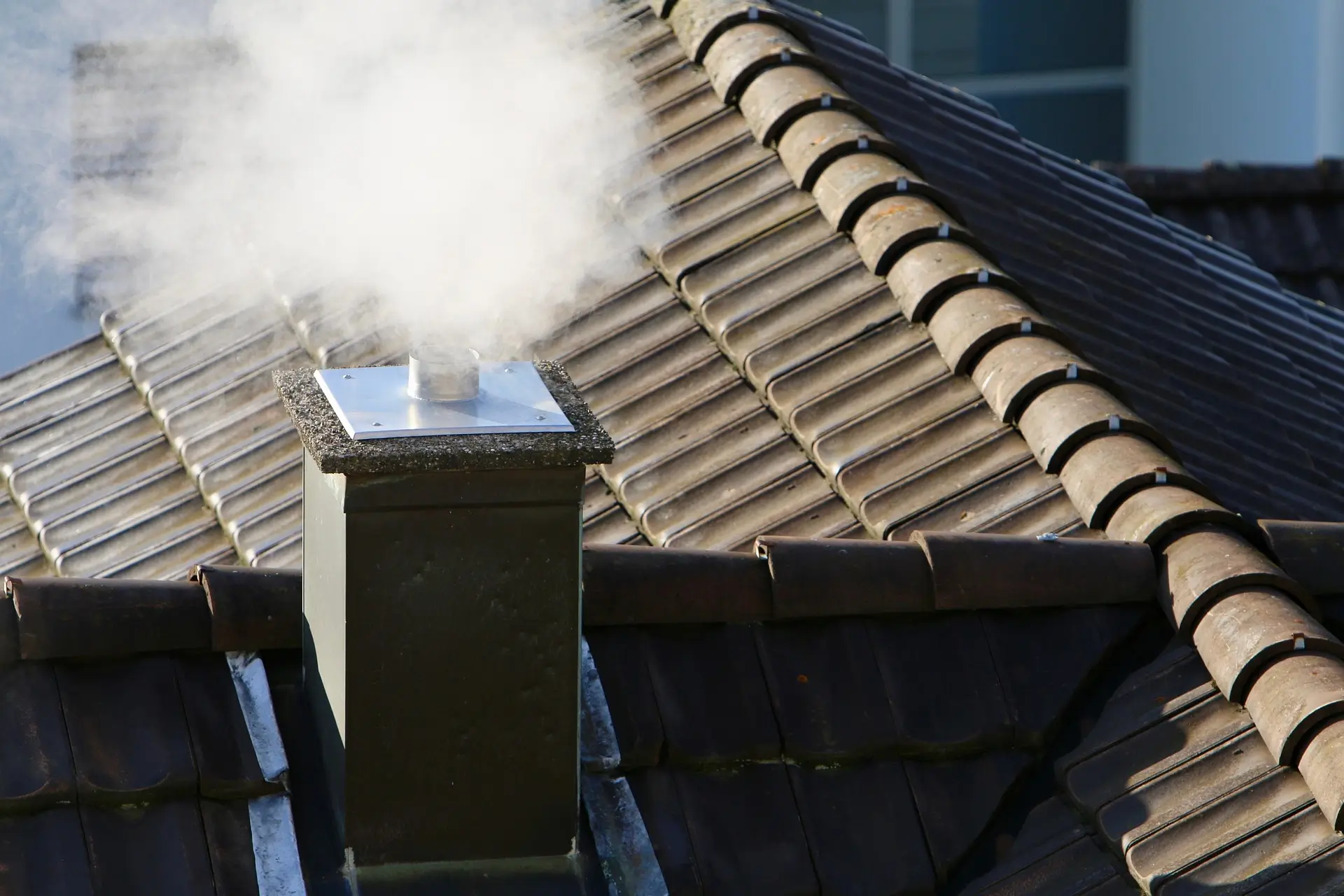
How to Check Your Industrial Roof Repair Was Done Right
A repair that looks fine from the yard can still be hiding a problem. Here's what to check once the crew has finished.
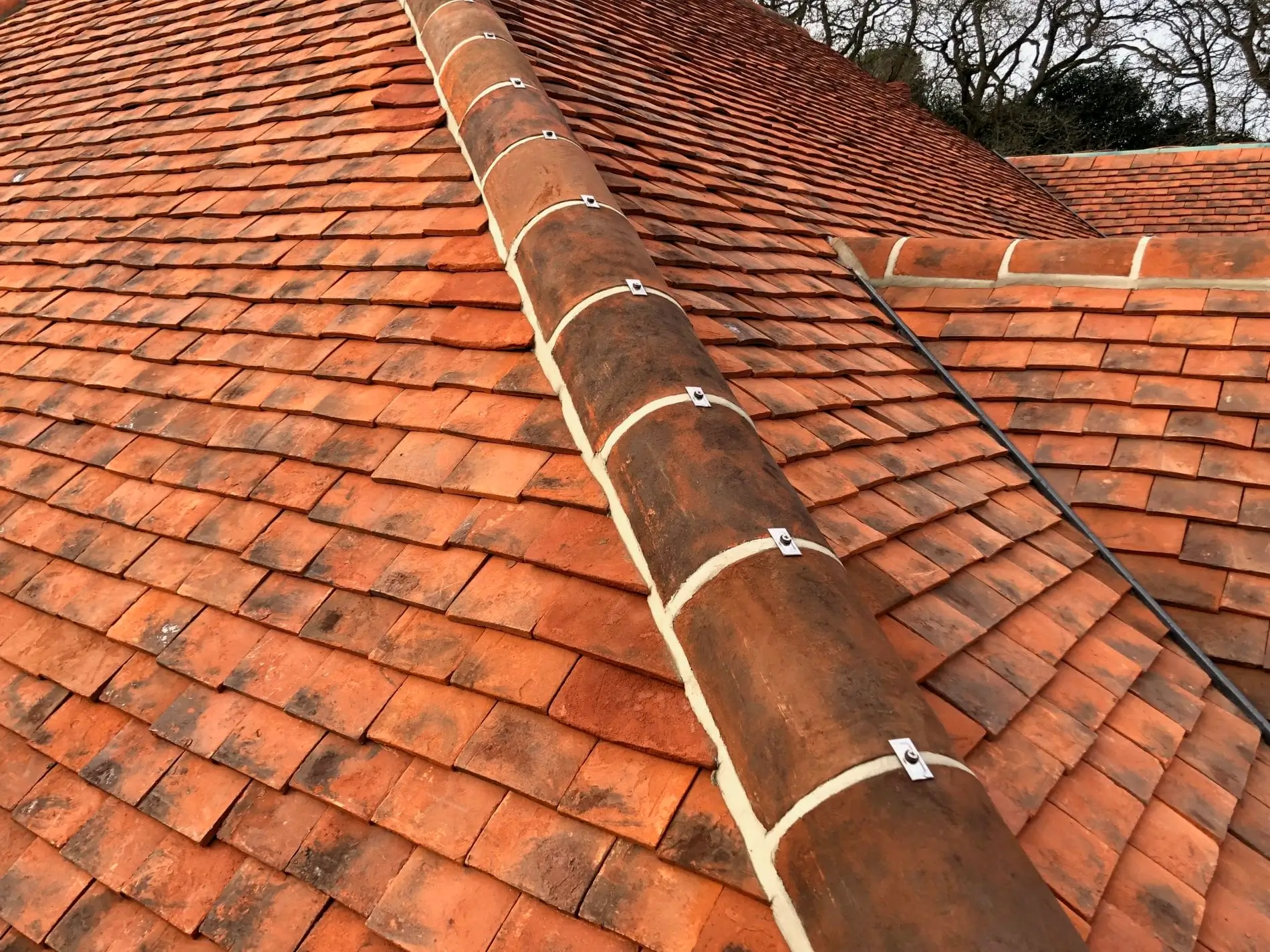
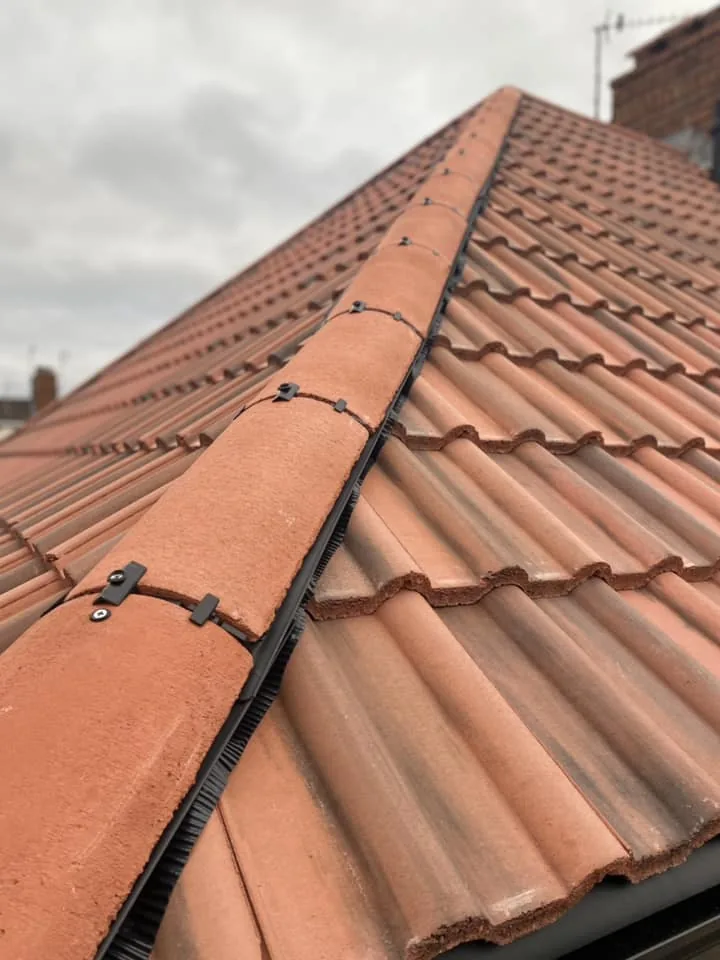
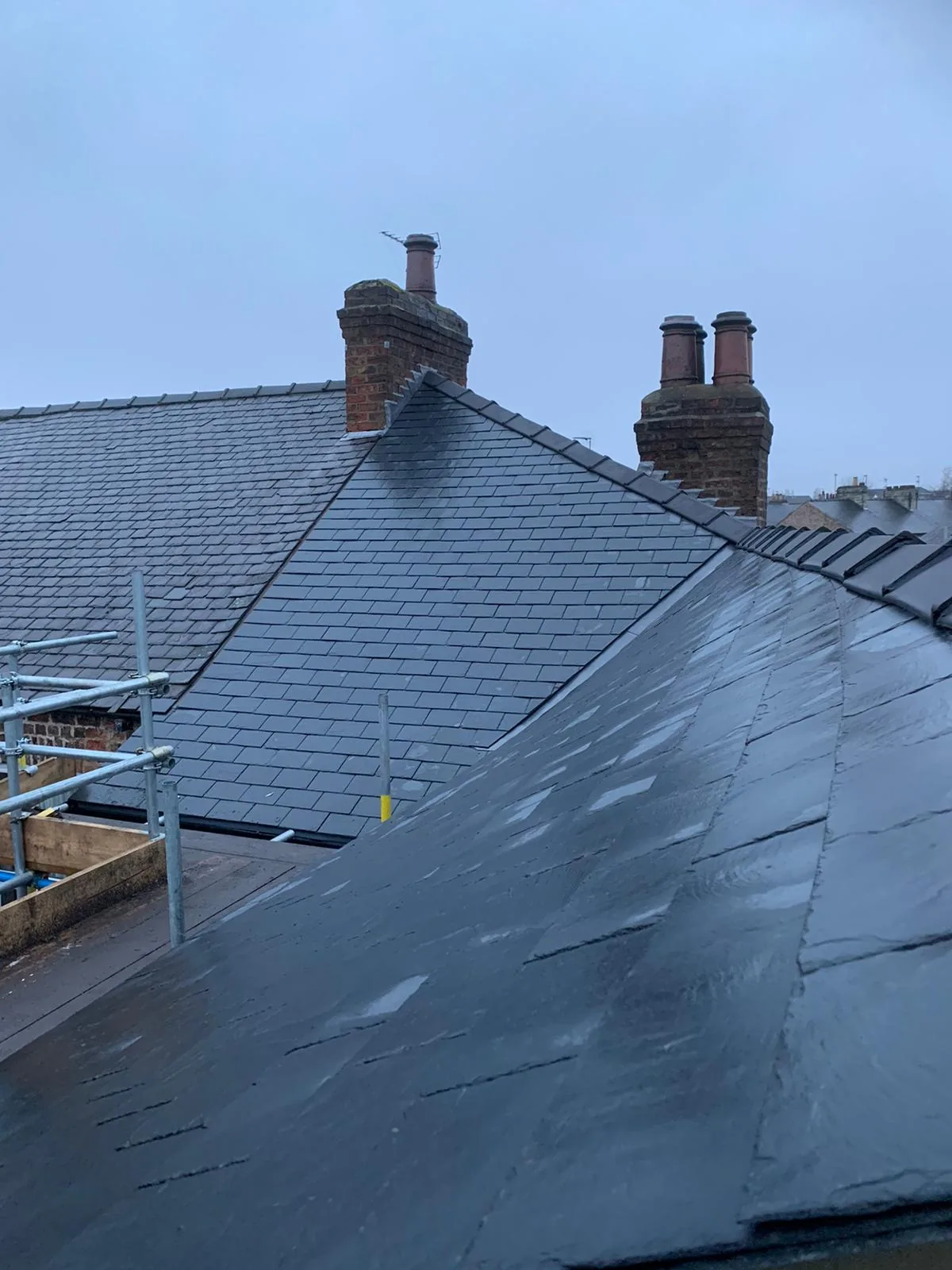
- New sheets or membrane sections should sit flush with the surrounding roof, with no visible ripples or gaps
- Laps and seams should be fully sealed or welded, not just overlapped and left
- Fixings should be tight, weathered to match, and matched to the original sheet profile
- Ask for before-and-after drone photos, so you can see the deck and structure that got covered up
- You should receive a written note of exactly what was repaired, the materials used, and any asbestos work carried out
- We back every industrial roof repair with a 10-year workmanship guarantee, in writing, from day one
Keeping Your Industrial Roof Watertight Between Repairs
A planned maintenance visit twice a year catches small problems while they're still cheap to fix.
- Clear valley gutters and outlets twice a year, particularly before winter
- Check rooflights and laps after any major storm, before a small leak becomes a soaked stock room
- Keep an eye on fixings and flashings around plant, vents, and pipework penetrations, where movement causes most leaks
- Re-torque or replace loose fasteners on profiled metal roofs before they work fully loose
- Consider a planned preventative maintenance (PPM) contract for larger sites, so inspections happen on a schedule rather than after a leak appears
- Log every inspection and repair — insurers and building surveys increasingly ask to see this history
Cost & Pricing Guidance
Industrial roof repair pricing across the UK for 2025/26 typically runs like this:
- Minor patch repairs (a lap, a flashing, a single rooflight): £300-£800
- Larger repairs covering multiple sheets or membrane sections: £800-£3,000
- Single-ply membrane overlay (recover without a full strip-out): £70-£110 per m²
- Profiled metal recover or over-clad: £45-£90 per m²
- Rooflight replacement with a non-fragile panel: £150-£350 per unit, supplied and fitted
- Asbestos cement encapsulation: £25-£55 per m²
- Asbestos removal and disposal: £50-£75 per m², plus a licensed contractor where the work is higher risk
A typical warehouse or factory repair, covering a handful of sheets and a couple of rooflights, runs £1,500-£6,000 all in. Full re-cover of a mid-size industrial roof (2,000-5,000 m²) runs into six figures, which is why most owners repair and maintain a roof for as long as it reasonably allows.
What pushes the price up or down: roof size and pitch, access (cherry picker versus scaffold versus rope access), how much of the deck and structure needs replacing, whether asbestos is involved, and whether work has to happen out of hours around a live operation.
These are general ranges, not a quote. A fixed price needs a survey — and our drone survey is free, with no obligation.
Comparison Table: Industrial Roof Repair Options
| Repair Approach | Typical Disruption | Best For | Relative Cost |
|---|---|---|---|
| Localised Patch Repair | Minimal — hours, not days | Isolated leaks, single sheets or rooflights | £ (lowest) |
| Full Membrane Overlay / Recover | Low — no strip-out, roof stays weathertight throughout | Sound deck, ageing membrane, budget-conscious recover | ££ |
| Asbestos Encapsulation | Low to moderate — coating applied over existing sheets | Sound asbestos cement roofs that need to stay in place | ££ |
| Full Strip & Replace | High — roof open to weather during works, phased access needed | Roofs past 25% damage, failed structure, or asbestos removal | £££ (highest) |
Why Choose Tate & Sons for Your Industrial Roof
Industrial roof repair is led by Daniel Oakland, Project Manager and Lead Roofer, who has 20+ years in the trade. He specialises in EPDM, GRP, and standing-seam systems, and has repaired and recovered industrial roofs on units towards Colwick and Lenton Lane, alongside full commercial installations across the city.
Tate & Sons was founded by James Tate on a simple idea: find out what's genuinely wrong, use the right materials, and leave something that holds for years, not months. Read more on our About page.
Our roofers are directly employed, not subcontracted. They hold NVQ Level 2 and 3 qualifications in Roofing Occupations and carry CSCS cards. Every industrial roof repair comes with a free drone survey up front and a 10-year workmanship guarantee once the work is finished.
Industrial Roof Repair Across Nottingham and the Wider County: Areas We Serve
We repair roofs on factories, warehouses, and industrial units right across Greater Nottingham and out into the wider county. Wherever your site sits, our crews know the local weather, the building stock, and the access.
- Nottingham City Centre (NG1)
- The Park (NG1)
- West Bridgford (NG2)
- Sneinton (NG2)
- Wollaton (NG8)
- Lenton (NG7)
- Beeston (NG9)
- Chilwell (NG9)
- Stapleford (NG9)
- Arnold (NG5)
- Sherwood (NG5)
- Mapperley (NG3)
- Carlton (NG4)
- Gedling (NG4)
- Hucknall (NG15)
- Long Eaton (NG10)
- Mansfield (NG18)
- Sutton-in-Ashfield (NG17)
Got Questions?
Your Flat Roofing Questions, Answered Properly
How much does industrial roof repair cost in the UK?
Minor patch repairs typically cost £300-£800, while larger repairs covering several sheets or a membrane section run £800-£3,000. A full membrane overlay costs £70-£110 per m², and a profiled metal recover runs £45-£90 per m². Asbestos work adds its own cost, from £25-£55 per m² for encapsulation up to £50-£75 per m² for removal. The final figure depends on roof size, access, and how much of the structure underneath needs attention, so a survey gives you an exact number.
How long does an industrial roof repair take?
A minor patch repair, such as a flashing or a single rooflight, usually takes a few hours to a day. Larger repairs covering multiple sheets or a section of membrane typically take two to five days, depending on roof size and weather. A full recover of a large warehouse roof can run several weeks, often carried out in phases to keep the building weathertight throughout. We agree a schedule with you before work starts, so you know exactly what to expect.
Can an industrial roof be repaired instead of replaced?
Yes, in most cases a repair is possible if damage covers under roughly 25% of the roof area and the deck and purlins are still sound. Isolated splits, cracked rooflights, and failed flashings are usually repairable on their own. Once damage spreads past that point, or the structure underneath has started to rot or corrode, a full recover or replacement generally works out better value than repeated patching. Our free drone survey tells you honestly which route your roof needs.
What causes most industrial roof leaks?
Most industrial roof leaks start at laps, fixings, and flashings rather than in the middle of a sheet or membrane. Side and end laps on profiled metal sheeting open up as fixings work loose over years of thermal movement. Rooflights crack or craze with age and UV exposure, and valley gutters block with debris, holding water against the deck. Penetrations for pipework, vents, and plant are another common weak point, since they're easy to overlook during routine checks.
Can an asbestos cement roof be repaired safely, or does it need to come off?
An asbestos cement roof in sound condition can usually stay in place and be managed safely, rather than removed. Encapsulation — sealing the sheets with a specialist coating — waterproofs the roof and locks fibres in place, and typically costs a fraction of full removal. Removal is only necessary where the material is damaged, friable, or where the roof is being fully replaced anyway. Any work that disturbs asbestos cement needs a risk assessment under the Control of Asbestos Regulations 2012 before anyone touches it.
Do industrial rooflights need replacing for safety reasons?
Old in-plane rooflights are a genuine fall risk, and HSE figures show fragile roof surfaces cause a large share of fatal falls in construction. Rooflights that have yellowed, crazed, or lost their original strength should be treated as fragile, whatever their age. Modern non-fragile rooflights are tested to the ACR[M]001 standard and hold a person's weight if someone trips or falls against them. We flag any fragile rooflights during survey and recommend replacement as part of the wider repair.
How often should an industrial roof be inspected?
Most industrial roofs benefit from a formal inspection at least twice a year, plus a check after any significant storm. Roofs over older buildings, or those carrying plant, walkways, or solar panels, often need more frequent attention. Routine inspection catches loose fixings, blocked gutters, and early membrane wear before they turn into a leak. A planned preventative maintenance contract puts this on a schedule, rather than leaving it to whoever happens to notice a stain on the ceiling.
Can you repair our roof without stopping production?
Yes, most industrial roof repairs are planned specifically to avoid stopping your operation. We work in phased sections, so only a small part of the roof is open at any one time, and we can schedule work out of hours or around shift patterns and deliveries. Access equipment such as cherry pickers and rope access reduces the need for scaffolding that might block yards or loading bays. We agree the schedule with you at quote stage, so there are no surprises once work starts.
Do we need planning permission or Building Regulations sign-off for an industrial roof repair?
Most like-for-like industrial roof repairs don't need planning permission, since the building's appearance and use stay the same. Building Regulations notification is generally required if you're recovering more than 25% of the roof area, or making a substantial change to the insulation buildup. Asbestos work has its own separate legal requirements under the Control of Asbestos Regulations 2012, regardless of planning status. We flag anything that applies to your building during the survey, so it's dealt with before work starts, not after.
Book Your Free Drone Roof Survey Today
See exactly what your roof needs before any work starts. No ladders, no pressure — just a clear picture from a local Nottingham team.
A tired roof only gets worse as water works deeper into the deck and timber beneath it. A quick, free drone survey today tells you exactly where you stand — and often the fix is smaller and cheaper than you feared. Book now, get an honest quote, and protect your home before the next East Midlands downpour finds the weak spot.
📍 57 Cyril Avenue, Nottingham, NG8 5BA
📞 0115 647 4455
Call the Nottingham team today on 0115 647 4455, or request your free drone survey online. We’re already working across your area.
Get in Touch
Tate & Sons Roofing — Nottingham
57 Cyril Avenue, Nottingham, NG8 5BA
📞 0115 647 4455
✉️ [email protected]