
🪟 Melton Mowbray Moss & Algae Removal Specialists
Moss & Algae Removal in Melton Mowbray — Stop Growth Before It Lifts Your Tiles
- Free Drone Survey
- No Pressure Washing
- 10-Year Guarantee
📞 Call 01664 490955 — free drone survey & a written price
Book Your Free Drone Survey
No scaffold. No pressure. No obligation.
Straight answers from local Melton Mowbray roofers.
🔒 Your details are safe with us. No spam, ever.
Moss and algae removal in Melton Mowbray stops a small green patch turning into a lifted tile, a blocked gutter, or a damp stain on your ceiling. Roofs near the River Eye and the wider Wreake Valley sit low and stay damp longer than most, and that dampness is exactly what moss needs to spread. Tate & Sons Roofing treats moss and algae on roofs right across Melton Mowbray and the surrounding villages, working as a roofing contractor across Melton Mowbray, not just a cleaning crew that sprays and leaves.
This page covers how to tell moss from algae, why moss causes more damage than it looks, which treatment suits your roof, what it really costs, and how to stop growth coming straight back. Start with a free drone roof survey and a written price before any work is agreed. No ladders against your gutters just to take a look.
Spot the Warning Signs Before Moss Takes Hold
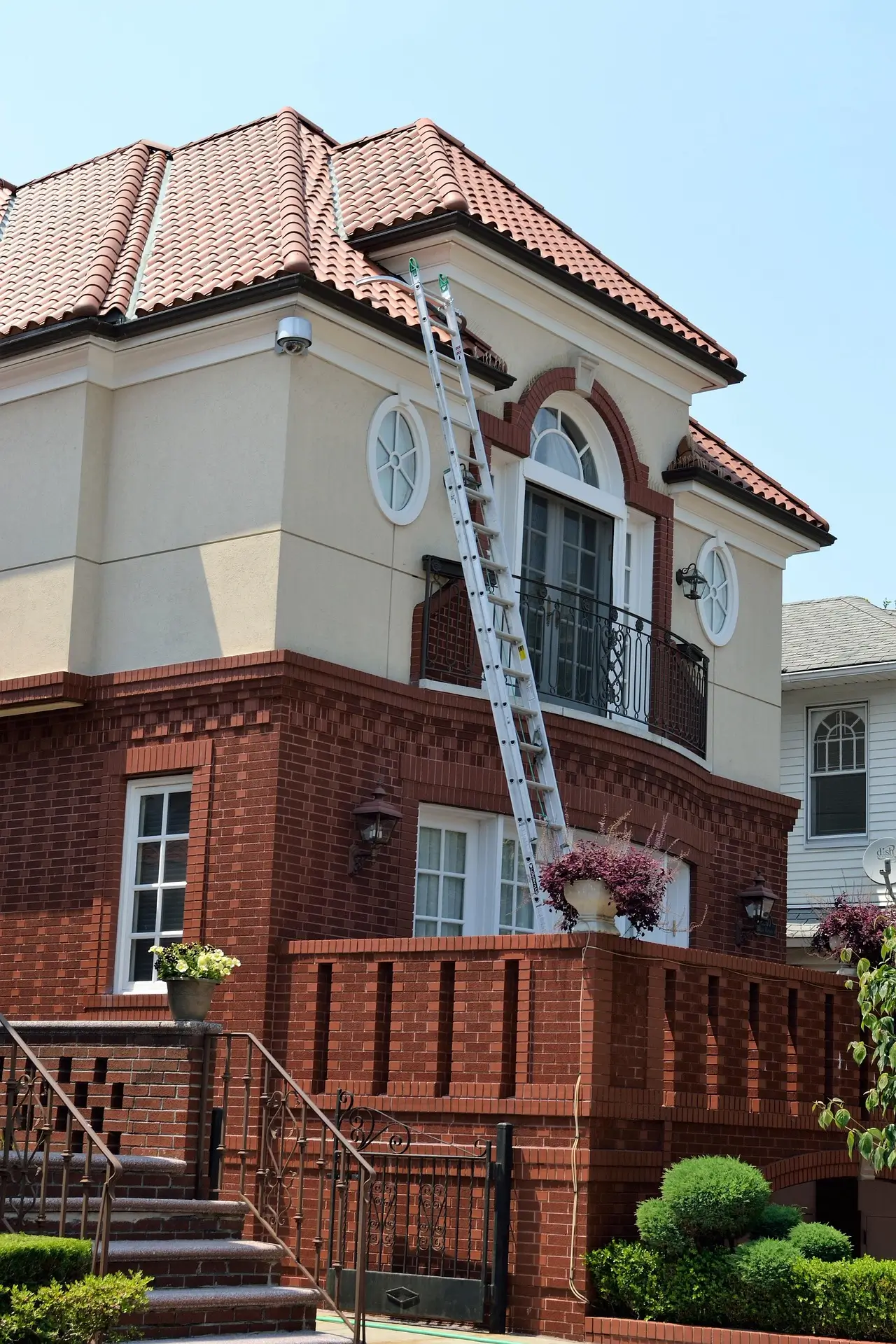
Moss rarely appears overnight. It builds up slowly, in patches you often can’t see properly from ground level.
Watch out for these signs:
- Green or grey-green cushions building up along ridge lines and valleys
- Dark streaks running down tiles, especially on north-facing slopes
- Gutters filling with moss debris after every spell of rain
- Tiles that look slightly raised or uneven along one section of roof
- Damp patches showing up in the loft that weren’t there last year
- Slates or tiles slipping more often than they used to
A roof shaded for most of the day, like the hillside homes around Burton Lazars, tends to hold onto moss the longest. Less sun means the tiles never fully dry out between showers, so growth builds up season after season instead of dying back.
Moss or Algae? Why Getting the Diagnosis Right Matters
Moss grows upright in thick, spongy cushions you can usually see and feel. Algae stays flat against the tile and shows up as black or green streaks rather than raised growth.
The difference changes the right fix. Moss holds water against the tile and needs to be physically lifted off by hand. Algae mainly affects how the roof looks and often responds to a lighter biocide wash without any scraping at all. Treating both the same way wastes money on one problem while barely touching the other.
We check which one you actually have before quoting anything. If your roof mainly needs a general clean rather than targeted moss clearance, our roof cleaning service covers algae staining, lichen and general dirt across the whole surface. Moss removal is a more specific job aimed at growth that is already doing damage underneath.
Why Moss Does Far More Damage Than It Looks
Moss looks like a cosmetic problem from the pavement, but it works against your roof every single day it’s left alone.
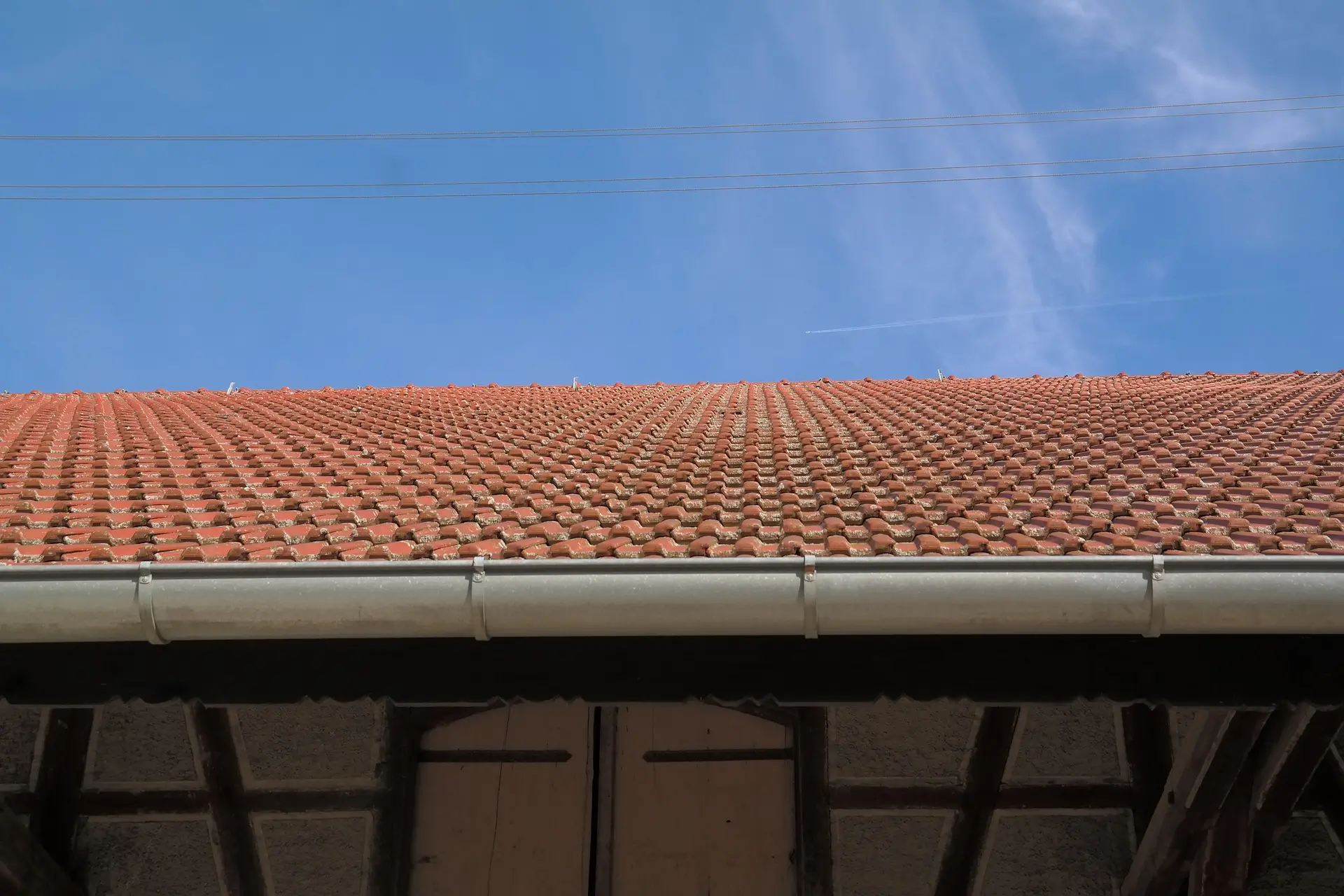
Moss holds moisture against the tile long after the rest of the roof has dried. In winter, that trapped water freezes and expands inside porous tiles, and repeated freeze-thaw cycles crack the surface or force tiles apart. Moss also grows under tile edges and lifts them slightly, which gives wind-driven rain a way in that a flat, moss-free tile never allows.
Weight is a real factor too. A heavy moss covering can add several hundred kilograms to a roof when dry, and far more once it’s soaked through after rain. Thick moss also blocks gutters and valleys, so water backs up under tiles instead of running away cleanly. That backed-up water is a common cause of the damp patches homeowners find in a loft after a wet spell, along the same lines the Energy Saving Trust’s guidance on fixing damp and condensation describes for damp getting into a building fabric.
Properties around Harby, close to the Vale of Belvoir canal corridor, sit in one of the damper parts of our patch, and we see moss come back faster there than on drier, more exposed sites.
Manual Removal, Biocide Treatment or Prevention — Choosing the Right Fix
There are three main ways to deal with moss and algae, and most roofs need a combination rather than just one. The table below sets out how they compare.
| Method | Typical cost | How long it lasts | Best for |
|---|---|---|---|
| Manual removal (hand scraping) | £8–£15 per m² | Immediate result; regrowth possible within 12–24 months without follow-up treatment | Heavy, established moss cushions that need physically lifting off |
| Biocide treatment | £50–£150 per visit (whole roof) | Slows regrowth for around 12–18 months per application | Light-to-moderate algae staining and moss too thin to scrape safely |
| Zinc or copper strip prevention | £150–£400 supplied and fitted | Zinc around 5–10 years; copper 15 years or more | Roofs that have just been cleared and need to stay that way |
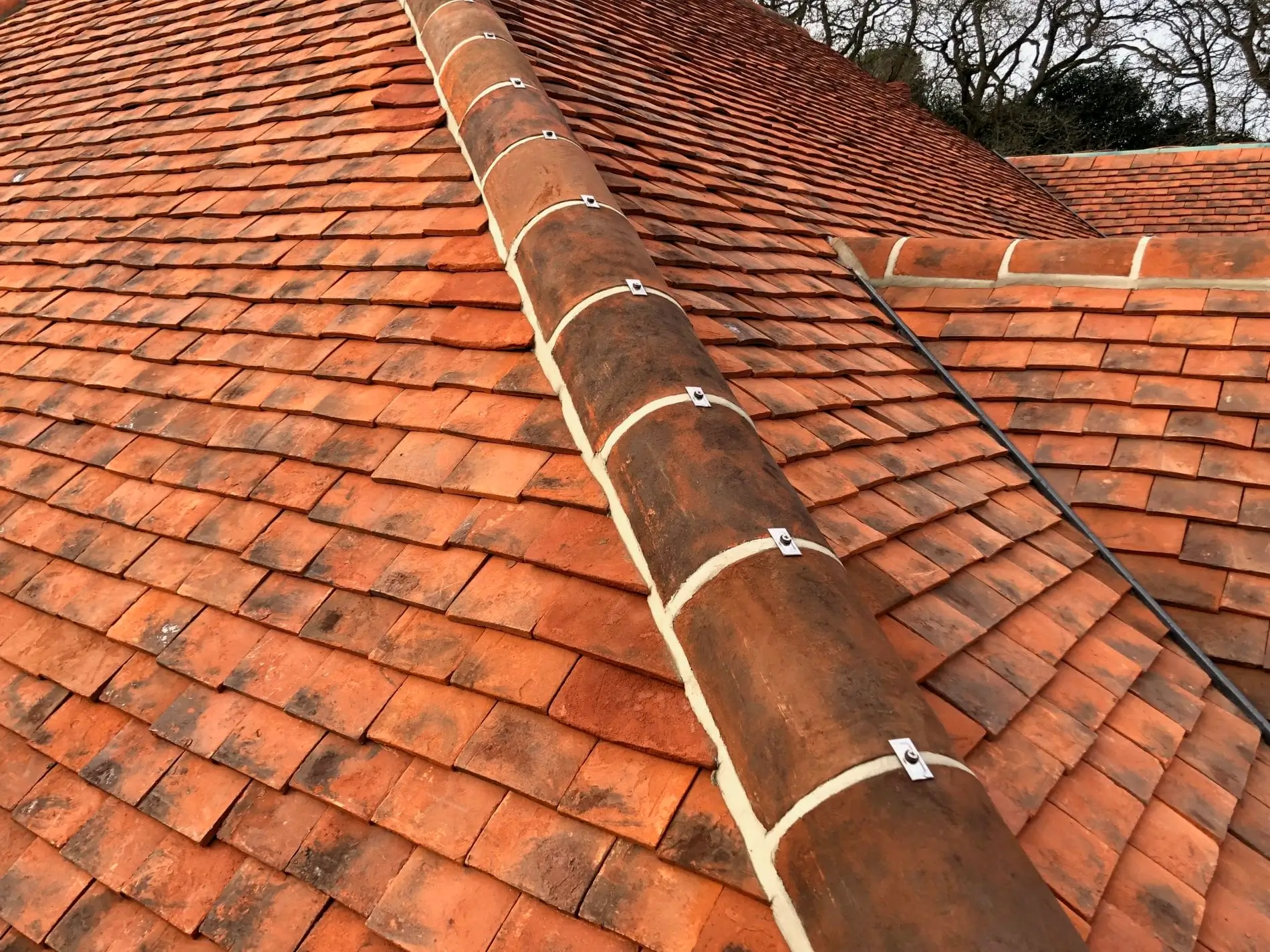
Manual removal clears what’s already there. Biocide treatment kills spores and slows fresh growth. Zinc and copper strips work as rainwater runs over them, releasing metal ions that make the tile surface a poor place for moss and algae to establish in the first place. Most roofs we treat get manual removal first, followed by strips fitted near the ridge to keep the problem from building back up.
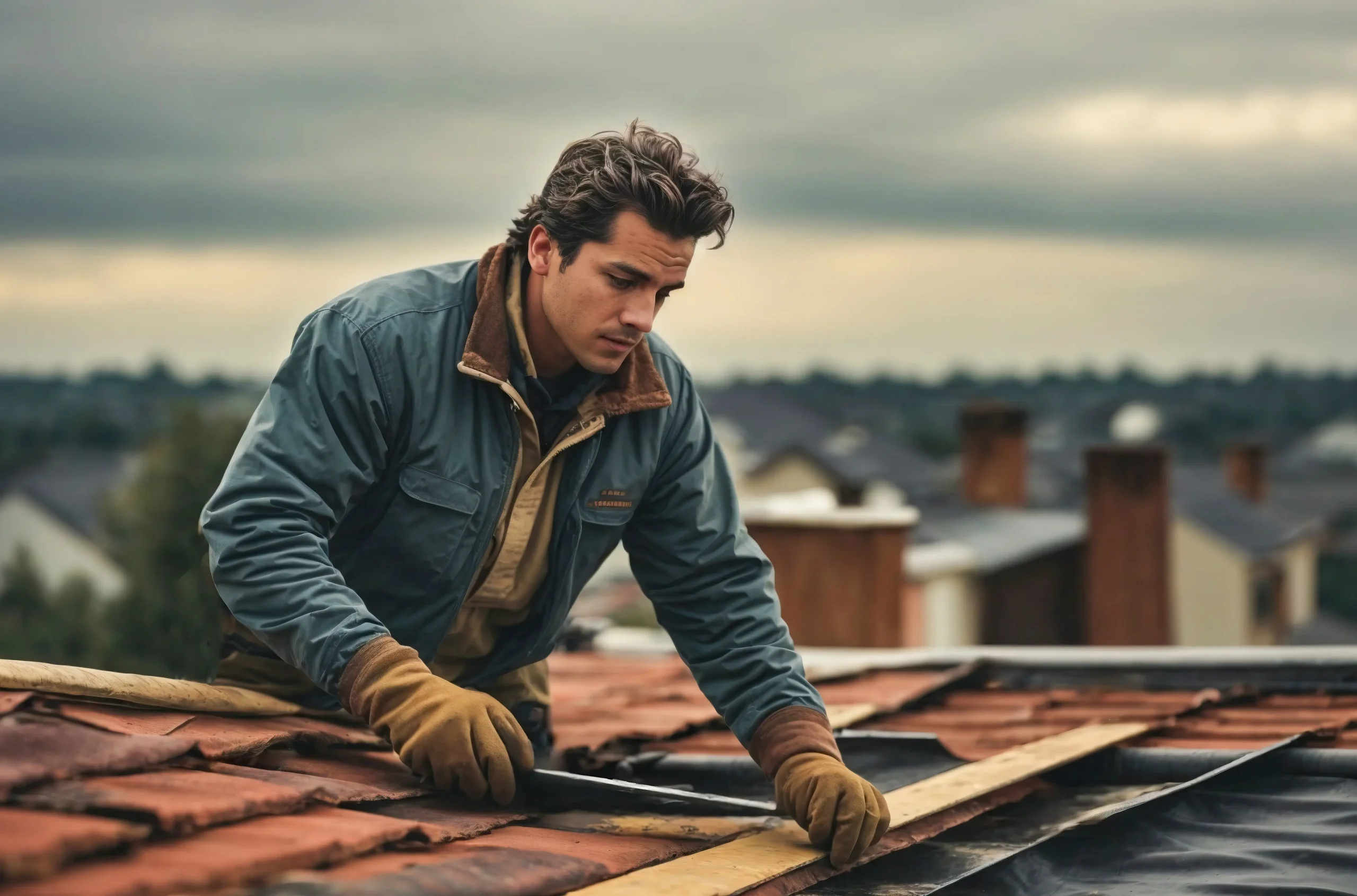
Daniel Oakland, our project manager and lead roofer, decides the right combination for each roof rather than defaulting to one method for everyone. With over twenty years in the trade, he can tell from the ground and from drone footage whether a roof needs full manual clearance or would respond well to biocide alone.
What Happens on Treatment Day, Start to Finish
A moss and algae removal visit follows a set order on every roof we treat:
- Drone survey to map exactly where moss and algae have built up
- Loose debris, leaves and gutter build-up cleared first
- Moss cushions lifted off by hand, working from ridge to eaves
- Biocide treatment applied to kill remaining spores on the surface
- Gutters and downpipes checked and cleared of anything washed down
- Zinc or copper strips fitted near the ridge if agreed as part of the job
- Roof and surrounding area checked before we leave
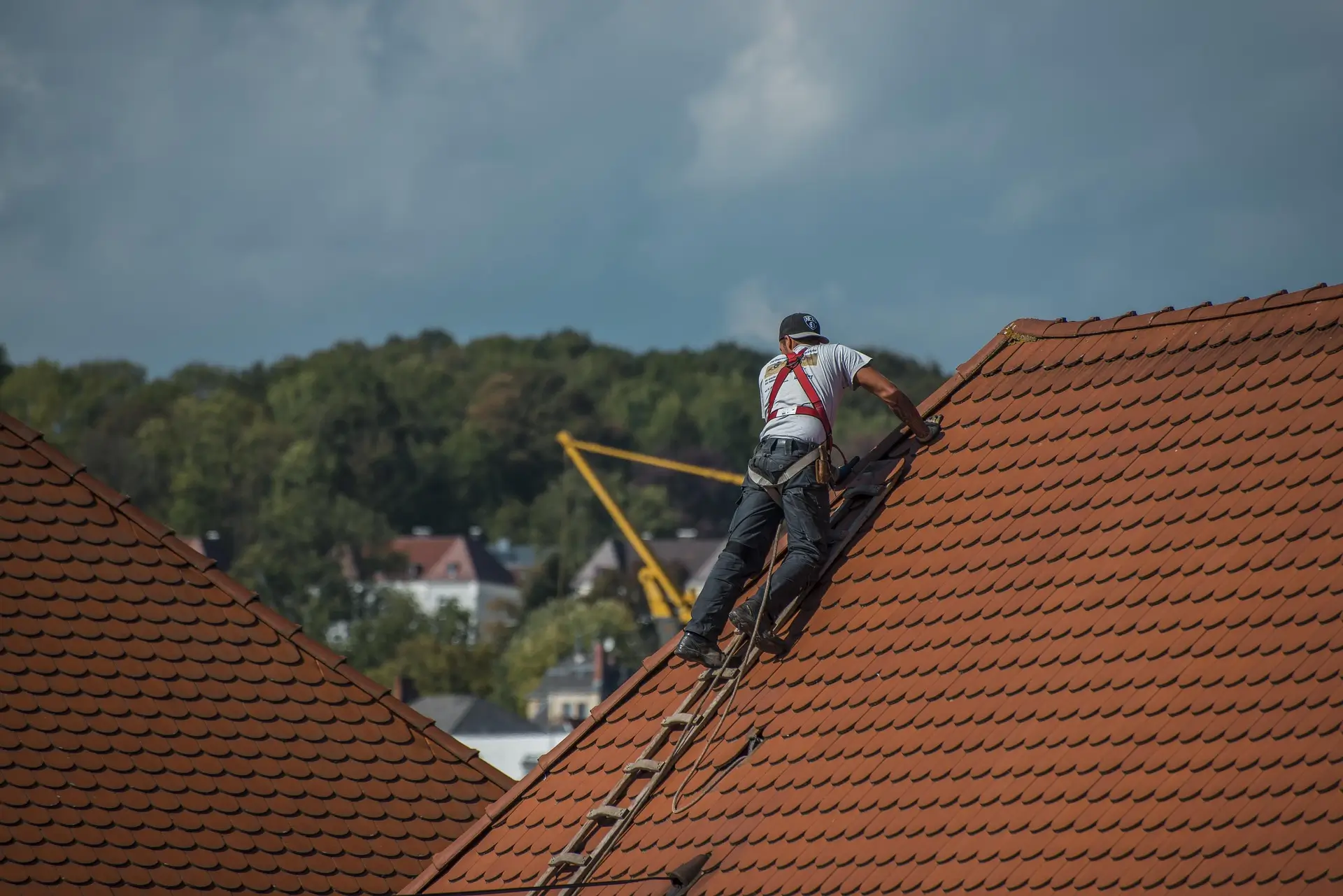
We never use a pressure washer on tiled or slate roofs. High-pressure jets strip the protective surface off tiles and can force water under laps that were never designed to take that kind of force. A typical semi-detached roof takes half a day to a full day, depending on how established the moss is and whether strips are being fitted.
Dry, settled weather gives the best result, since biocide needs time to work before rain washes it off. Spring and early autumn tend to suit this work best around Melton Mowbray, avoiding the heaviest winter wet spells off the Wolds.
What Moss and Algae Removal Really Costs in Melton Mowbray
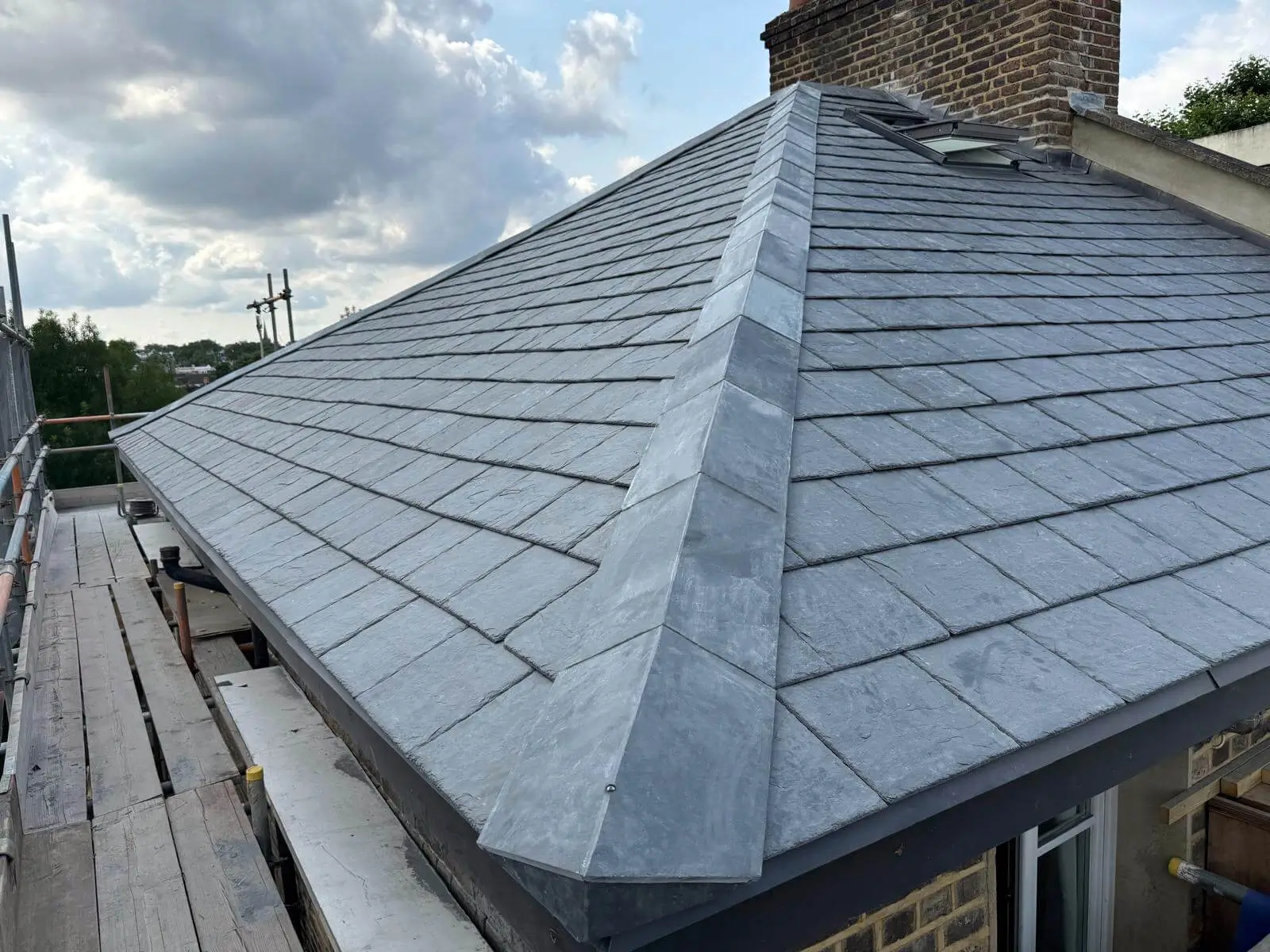
As a general guide, manual moss removal runs £8–£15 per m², and a typical semi-detached roof in full costs £350–£900 depending on how much moss has built up. A biocide-only treatment for lighter algae staining usually costs £50–£150. Fitting zinc or copper strips as a preventer typically adds £150–£400 on top of a clean.
What pushes a price up or down:
- Roof size and pitch — a larger or steeper roof takes longer to work safely
- How established the moss is — thick, years-old cushions take longer to lift than light growth
- Access — scaffolding for a taller or terraced property adds £16–£20 per m²
- Material — softer, more porous tiles need more careful, slower handling than dense concrete tile
- Gutter condition — badly blocked gutters add clearing time before treatment can start
These are general market ranges, not a quote for your roof. Two similar-looking properties can price very differently once pitch, access and moss coverage are actually assessed on site. A fixed price needs a survey.
Keep Your Roof Clear for Years, Not Just One Season
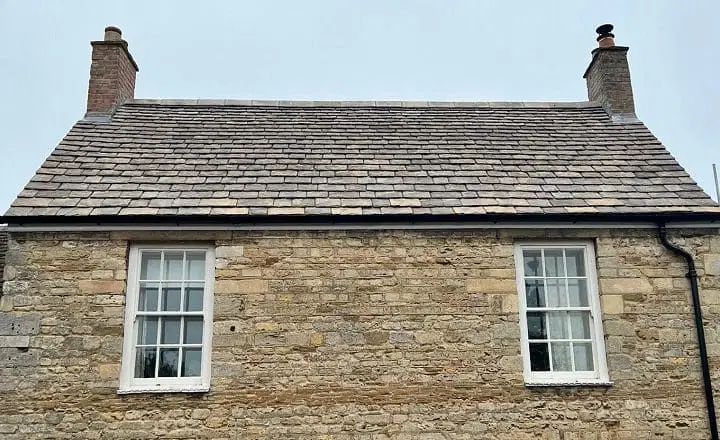
Clearing moss once is only half the job. Without some form of prevention, growth usually returns within a couple of years on a shaded or low-lying roof.
A few things genuinely help:
- Zinc or copper strips fitted near the ridge, replaced as they wear out
- Trimming back overhanging branches that keep tiles shaded and damp
- Clearing gutters and valleys each autumn before winter rain sets in
- A protective roof coating on flatter sections prone to algae staining
- A quick visual check after any major storm
Where a roof also picks up general dirt and algae staining beyond just moss, our roof coatings and sealing service gives an extra layer of protection on top of a clean. Melton Country Park’s tree-lined edges and the wider river valley keep humidity high nearby, so roofs backing onto green space tend to need this kind of upkeep more than roofs on open, exposed streets.
None of this needs a specialist visit on its own. A regular look from the ground, and a call to us if something seems off, catches a small problem long before it becomes an expensive one.
Why Melton Mowbray Homeowners Trust Tate & Sons for Moss and Algae Removal
Moss and algae removal is easy to do badly. A rushed job with a pressure washer can strip tiles faster than the moss ever would, and biocide applied without a proper rinse plan can wash straight into a border below.
Daniel Oakland, our project manager and lead roofer, has more than twenty years in the trade and oversees every moss and algae job we take on, not just the bigger re-roofs. He knows which tiles can take manual scraping and which need a gentler biocide-only approach, and he checks the roof structure underneath while he’s up there, not just the growth on top.
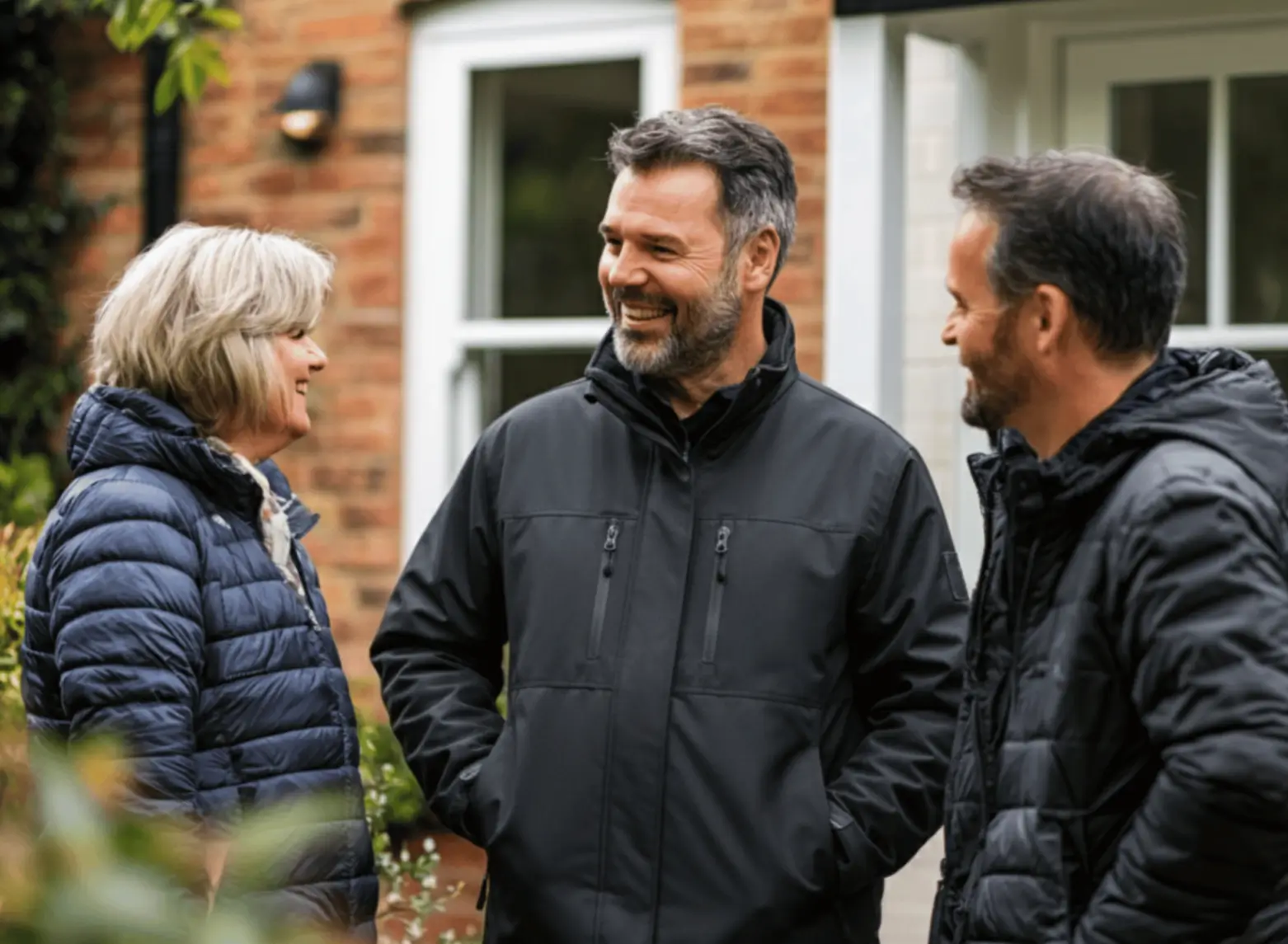
Founder James Tate spent fifteen years working roofs across Melton Mowbray and the East Midlands before starting the business, and he still prices most jobs himself. He set Tate & Sons up to work the way he always wished his old employers had: find out what’s genuinely wrong, use the right method for the job, and stand behind the result. Between us we carry over 40 years of combined team experience, hold NVQ Level 2 and 3 qualifications in Roofing Occupations, and carry CSCS cards. Every moss removal job comes with our 10-Year Workmanship Guarantee. Read more about the people behind the work on our About Tate & Sons Roofing page.
Areas We Serve Across Melton Mowbray and the Vale of Belvoir
We treat moss and algae on roofs across Melton Mowbray and the surrounding villages. If your area isn’t listed below, call us anyway — there’s a strong chance we already cover you.
- Melton Mowbray (LE13)
- Asfordby (LE14 3)
- Old Dalby (LE14 3)
- Nether Broughton (LE14 3)
- Frisby on the Wreake (LE14 2)
- Wymondham (LE14 2)
- Long Clawson (LE14 4)
- Harby (LE14 4)
- Stathern (LE14 4)
- Waltham on the Wolds (LE14 4)
- Bottesford (NG13)
Got Questions?
Your Moss and Algae Removal Questions, Answered Properly
What’s the difference between moss and algae on a roof?
Moss grows upright in thick, spongy cushions, while algae stays flat against the tile and shows up as black or green streaking. Moss tends to cluster on ridges, valleys and shaded slopes, whereas algae spreads more evenly across a whole roof face. The two need different treatment, which is why a proper look at your roof matters before anyone quotes a price. Getting the diagnosis right the first time saves paying for a method that was never going to fix the actual problem.
Does moss actually damage roof tiles, or is it just unsightly?
Moss does real damage, not just a cosmetic issue. It holds water against the tile, and that trapped moisture freezes and expands in winter, cracking porous tiles over repeated freeze-thaw cycles. Moss also grows under tile edges and lifts them slightly, giving wind-driven rain a way in it wouldn’t otherwise have. Left long enough, heavy moss growth blocks gutters too, which pushes water back up under tiles instead of away from the roof.
Can I remove moss from my roof myself?
You can, but it comes with real risk. Roofs are steep, often wet, and slippery even before you add moss into the mix, and a fall from height is one of the most common causes of serious injury in home DIY. Scraping moss off without the right technique can also crack or dislodge tiles that were otherwise sound. A professional visit costs far less than replacing tiles damaged by a DIY attempt gone wrong.
Is pressure washing safe for removing roof moss?
No, we don’t recommend it and we don’t use pressure washers on tiled or slate roofs ourselves. High-pressure jets strip the protective granules and surface layer off tiles, cutting years off their life. They can also force water under laps and joints that were never designed to take that kind of force. Manual removal by hand, followed by a biocide wash, gets the same result without the damage.
How much does professional moss and algae removal cost in Melton Mowbray?
As a general guide, manual moss removal runs £8–£15 per m², with a typical semi-detached roof costing £350–£900 depending on how established the moss is. A biocide-only treatment for lighter algae usually costs £50–£150, and zinc or copper strip prevention typically adds £150–£400 once the roof is clear. These are general ranges rather than a fixed quote, and a proper price always needs a survey.
Do zinc or copper strips really stop moss coming back?
Yes, though they slow regrowth rather than stopping it completely. As rainwater runs over the metal strip, it carries tiny amounts of zinc or copper ions down the roof slope, and that makes the surface a poor place for moss and algae spores to establish. Zinc strips generally last around 5 to 10 years, while copper can last 15 years or more before it needs replacing. They work best fitted after a full clean, not as a stand-alone fix for an already-established growth problem.
How often should a roof be treated for moss and algae?
Most roofs around Melton Mowbray benefit from a check every 12 to 24 months, with treatment carried out as needed rather than on a fixed schedule. Shaded, low-lying or north-facing roofs often need attention closer to the 12-month mark, while exposed, sunny roofs can go longer between visits. A quick drone survey tells you where your roof actually sits, rather than guessing from ground level.
Why does moss grow thicker on shaded roofs like those around Burton Lazars?
Shaded, hillside roofs stay damp for longer after rain because they get less direct sun to dry them out. Burton Lazars sits on rising ground with plenty of north-facing slopes that hold onto moisture well after a sheltered street in the town centre has dried off completely. That extra dampness is exactly what moss spores need to establish and spread. Roofs in this kind of position usually need treatment on a shorter cycle than roofs on open, sun-exposed streets.
Why do roofs near the River Eye and Wreake Valley need more frequent treatment?
Low-lying land near the River Eye and the wider Wreake Valley holds more moisture in the air than higher, more open ground around Melton Mowbray. That extra humidity keeps roof surfaces damp for longer after rainfall, which gives moss spores a better chance to take hold and spread. Properties backing onto Melton Country Park see a similar effect from nearby tree cover and shade. We factor a property’s position into how often we’d recommend a check, not just a standard interval for every roof.
Book Your Free Drone Roof Survey Before Moss Takes Hold
See exactly where moss and algae have built up before any work starts. No ladders against your roof, no pressure, just a clear picture from a local Melton Mowbray team.
Every season moss is left alone, it holds a little more water against your tiles, and a straightforward clean turns into cracked tiles or a damp patch in the loft. A quick, free survey today tells you exactly where you stand, and the right fix is often smaller and cheaper than you’d expect. Book now and get your roof clear before the next wet spell sets in.
Get in Touch
Tate & Sons Roofing, Melton Mowbray
13 Cromwell Road, Melton Mowbray, LE13 0AD
📞 01664 490955
✉️ [email protected]